

Workplace Wellness: How Better Spaces Support People and Business
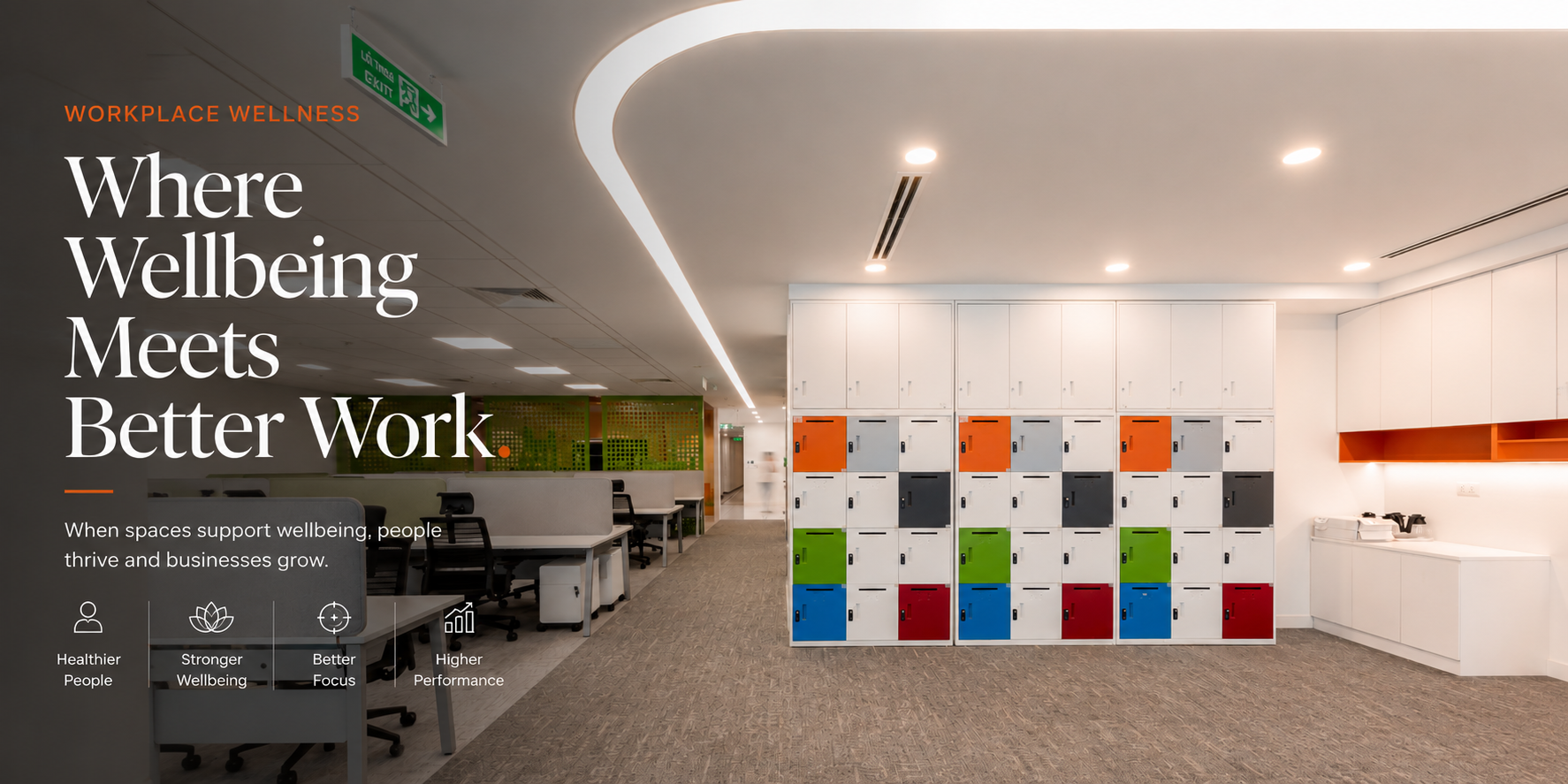
A workplace does more than provide a place to work. At its best, workplace wellness shapes how people focus, collaborate, recharge and perform throughout the day.
As workplace expectations evolve, employee wellbeing is becoming increasingly connected to the physical environment. A well-designed workplace can reduce everyday friction, support different ways of working, encourage connection and recovery, and ultimately create better conditions for people to perform at their best.
The business case is equally important. The World Health Organization estimates that depression and anxiety result in 12 billion lost working days every year, representing approximately US$1 trillion in lost productivity globally. Workplace wellness, therefore, is no longer simply an employee benefit. It is becoming an important consideration in workplace strategy and design.
Wellness Starts with the Workplace Environment
Workplace wellness does not necessarily mean adding a gym, meditation room or dedicated wellness area. More fundamentally, it is about creating an environment that supports people’s physical, cognitive and social needs throughout the workday.
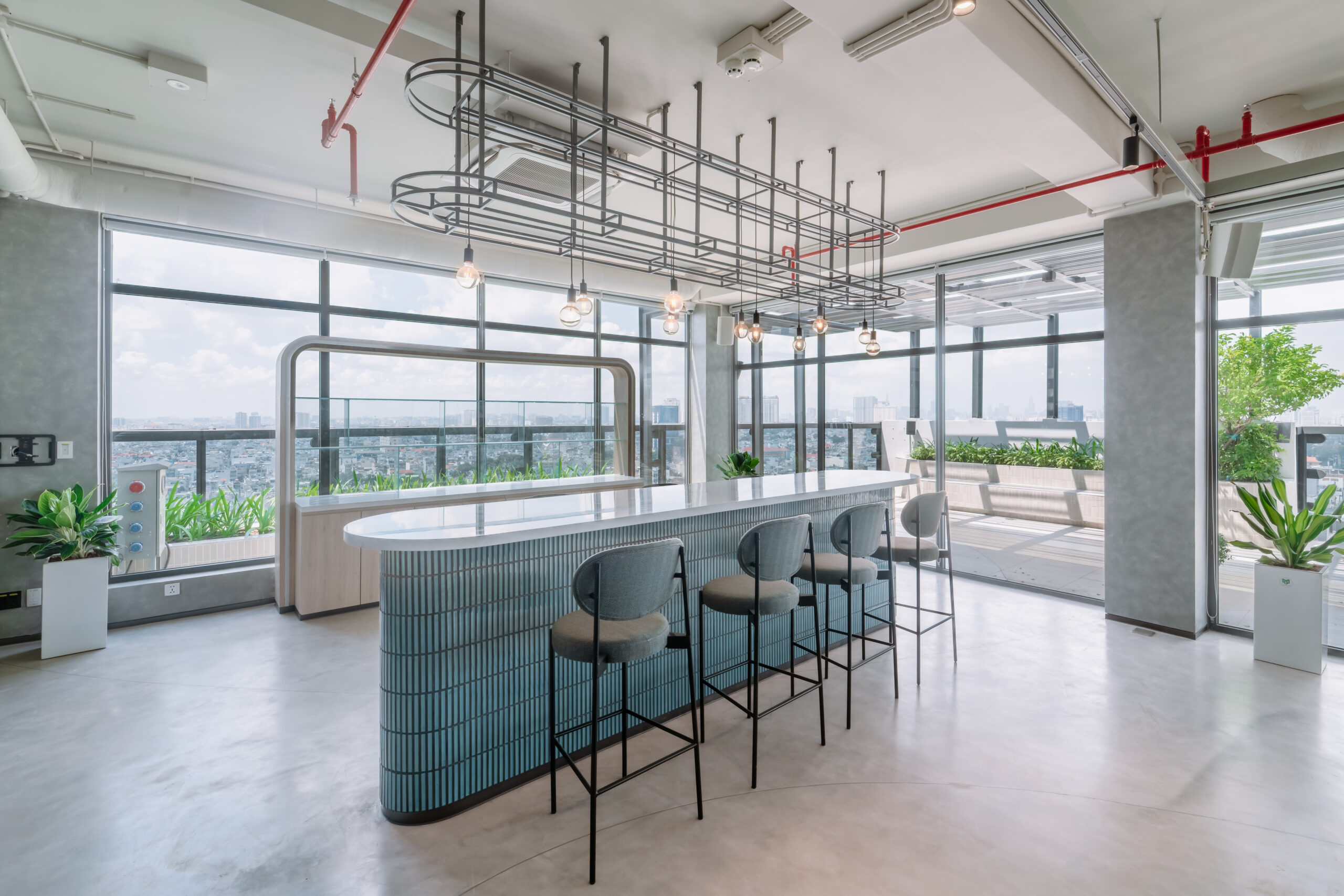
Research increasingly shows that factors such as indoor air quality, natural light, acoustics, thermal comfort, privacy and access to nature can influence how people experience and perform in the workplace. Gensler’s 2026 Global Workplace Survey, based on more than 16,400 office workers across 16 countries, found that two-thirds of employees are making their own adjustments to compensate for shortcomings in their workspaces. Workers also continue to prioritise natural light, outdoor spaces and environments that support wellbeing and productivity.
This highlights an important principle: a healthy workplace is not created by one feature, but by how different elements work together.
Natural light and views can create a stronger connection to the outdoors. Thoughtful acoustic and spatial planning can support concentration and privacy. Comfortable furniture and appropriate environmental conditions can reduce physical discomfort. Meanwhile, social and informal spaces give people opportunities to connect, pause and recharge.
Together, these decisions shape the everyday experience of the workplace.
Choice Is an Essential Part of Workplace Wellness
One of the biggest shifts in workplace design is recognising that people do not work in the same way all day.
Focused work requires a different environment from collaboration. A formal meeting calls for a different setting than an informal conversation, while moments of rest require spaces that allow people to step away and reset.
This is why flexible and multifunctional workplaces have become increasingly important. Instead of prescribing a single way to work, they provide a range of environments that allow people to choose the setting that best supports the task at hand.
Gensler’s research similarly points to the growing importance of workplaces that support different modes of work, learning, connection and wellbeing. Its 2026 survey found that workers hope future workplaces will provide environments that support both performance and personal wellbeing, with natural light, outdoor spaces and opportunities for connection among key priorities.
In this sense, choice itself becomes part of workplace wellness.
A workplace can support focus, collaboration, meetings, social connection and recovery without requiring each activity to have its own isolated space. Well-designed multifunctional environments can adapt throughout the day as people’s needs change.
From Wellbeing to Business Performance
The value of workplace wellness extends beyond employee experience. When the physical environment supports concentration, collaboration, comfort and recovery, it can create better conditions for engagement and performance.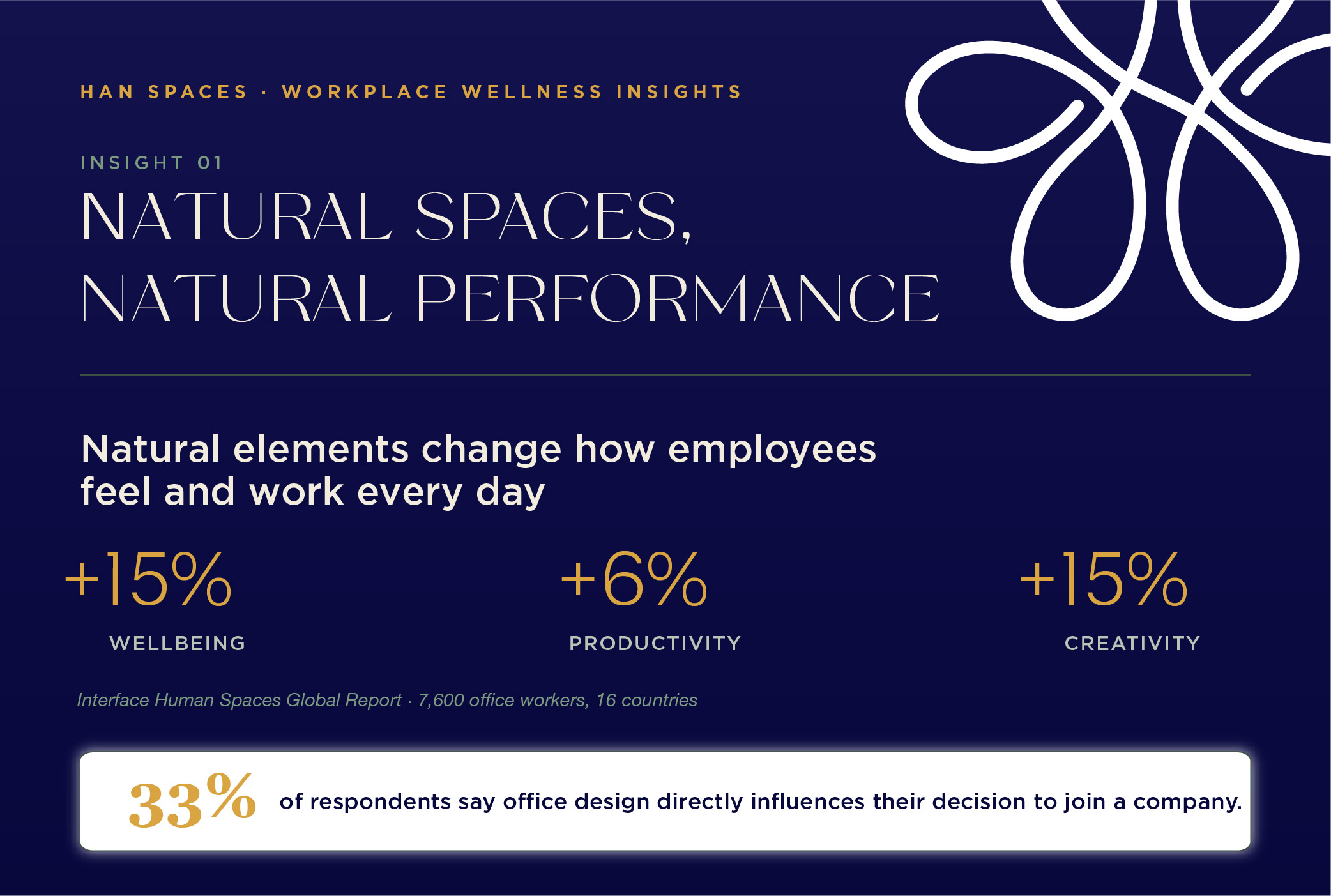
This is particularly relevant as organisations increasingly view the workplace as a strategic asset rather than simply a place to accommodate employees. A workplace that helps people work effectively can also contribute to stronger collaboration, employee satisfaction, talent attraction and retention.
For businesses, the objective is therefore not simply to create a workplace that feels good. It is to create an environment that works well for both people and the organisation.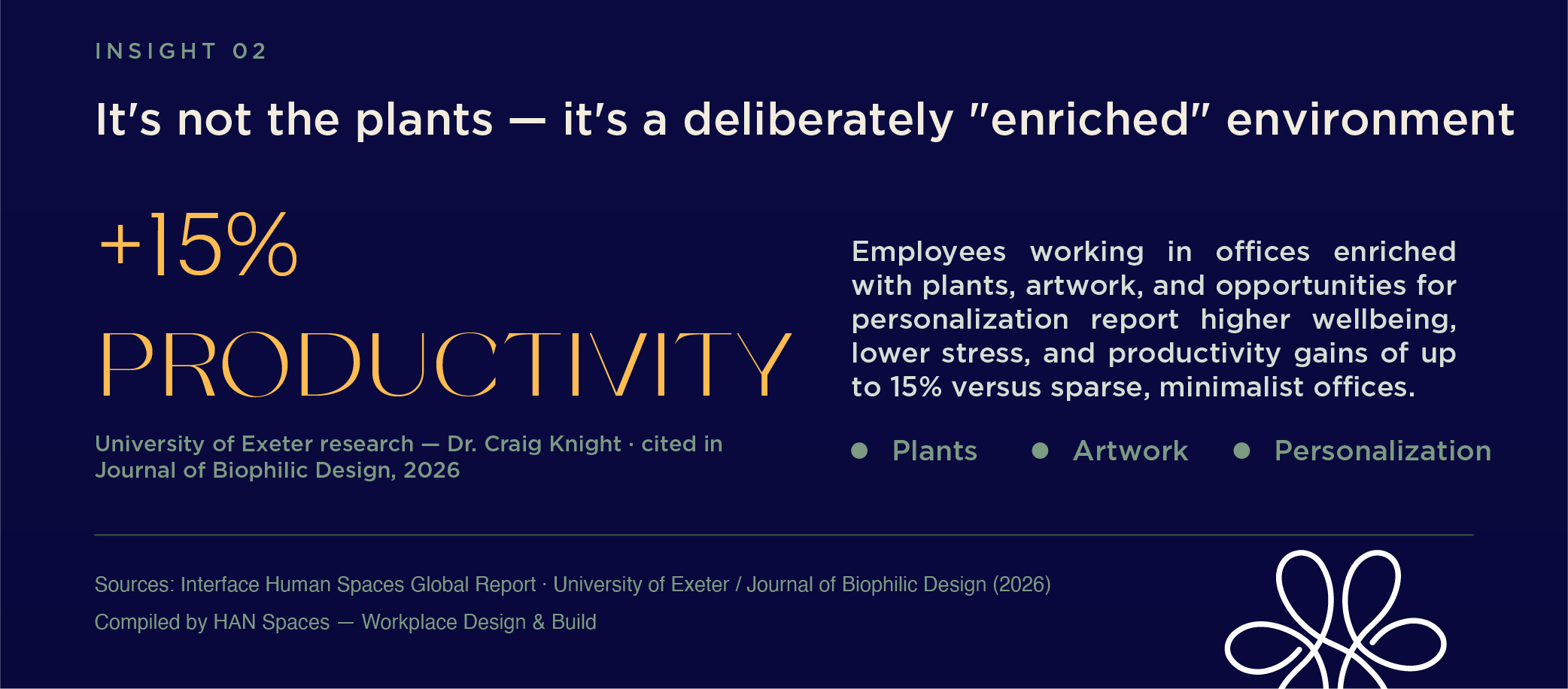
Designing Wellness with HAN Spaces
At HAN Spaces, workplace wellness is approached as part of the overall design strategy rather than an additional layer added at the end of a project.
Every workplace has different people, cultures, workflows and business priorities. Understanding these factors allows workplace design to move beyond aesthetics and address how the space will actually be experienced and used.
From spatial planning and multifunctional environments to lighting, materials, acoustics, furniture and technical considerations, HAN Spaces brings these elements together across the design and build process. The goal is to create workplaces that are functional, adaptable and responsive to the people who use them every day.
Ultimately, workplace wellness is about creating the conditions for people to do their best work. When a workplace supports people better, it creates a stronger foundation for business performance.
Other News - Events
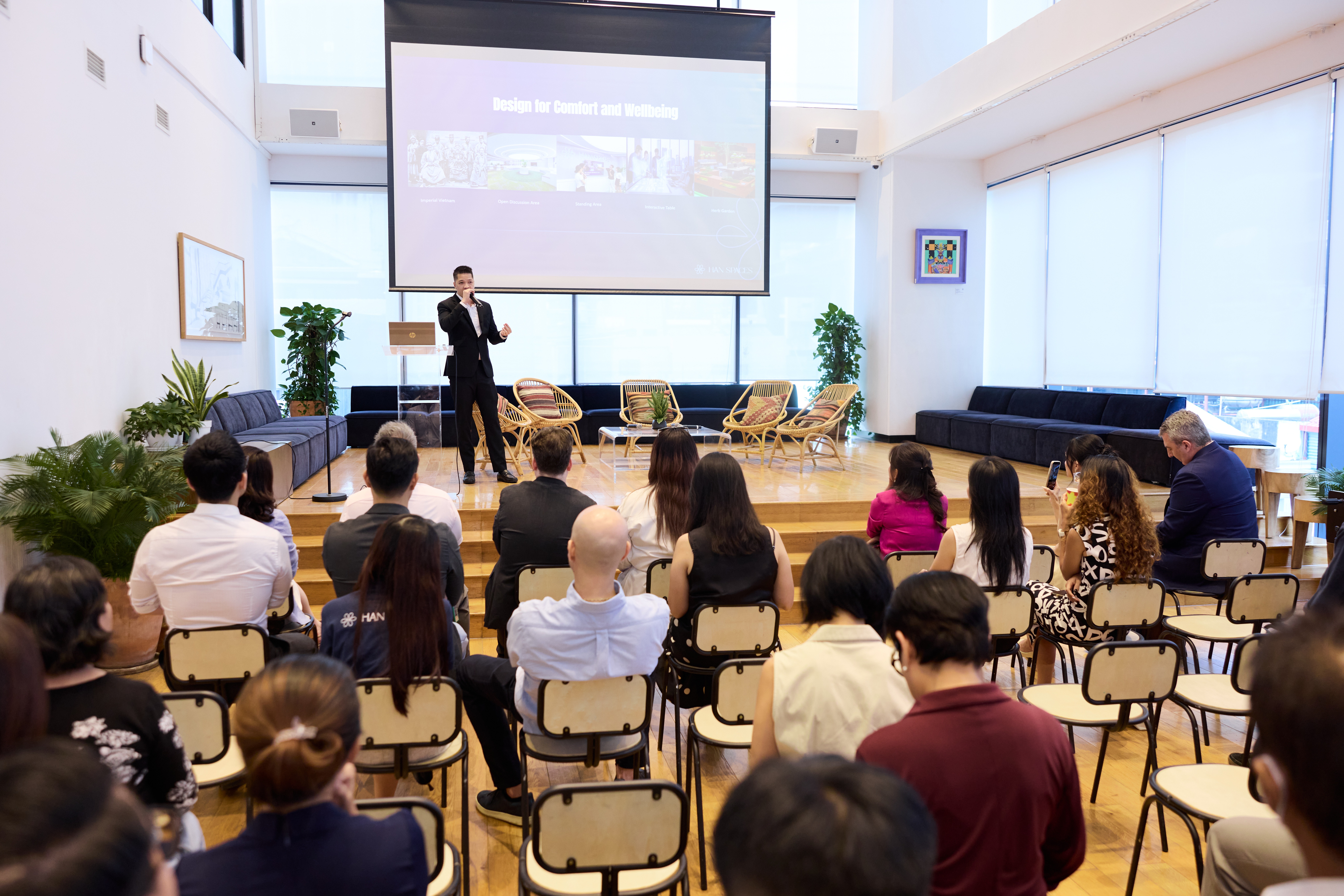
HAN Spaces Joined GBA Workshop on Designing the...
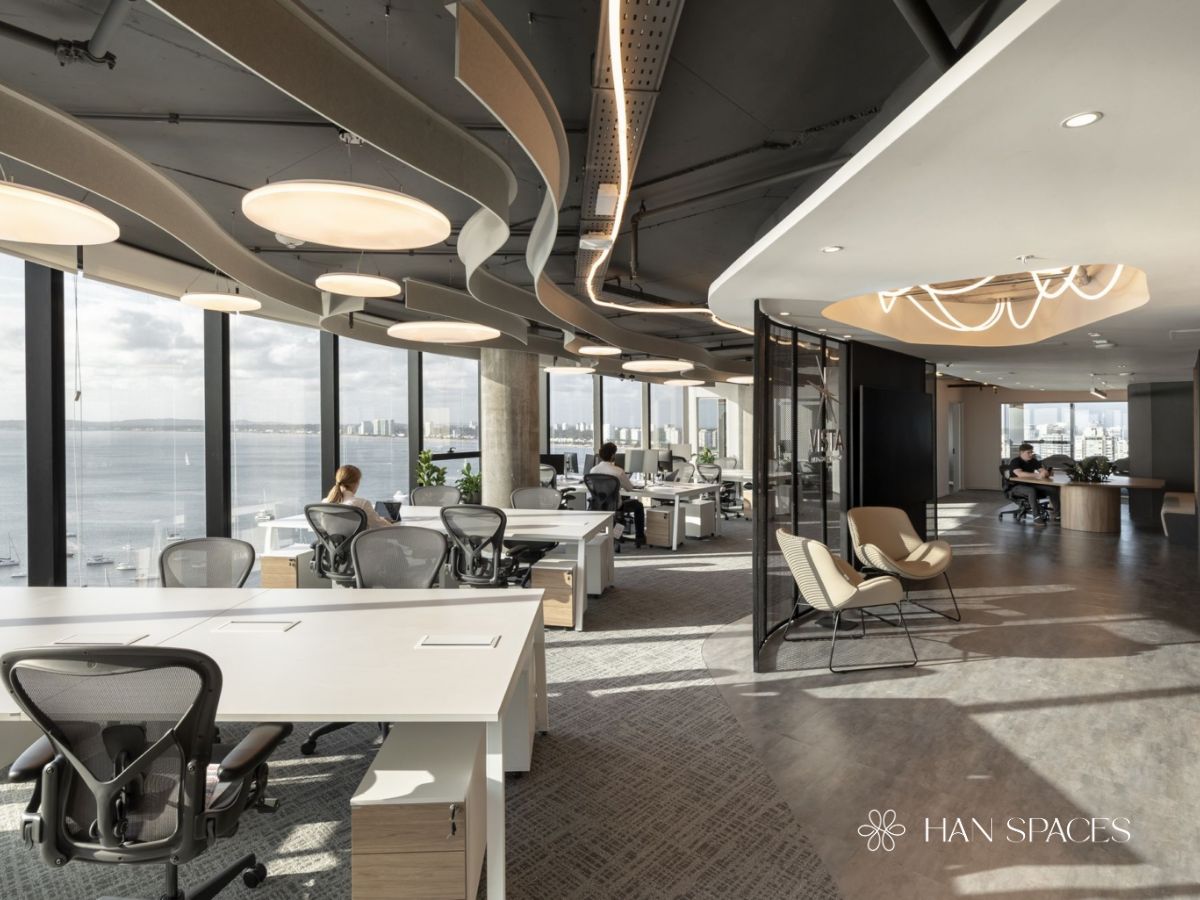
How to Prepare New Office: Key Steps &...

2026 Vietnam Office Design in the AI Era...

5 Powerful AI in Office Trends Transforming Workspaces...

