
2026 Vietnam Office Design in the AI Era by Han Spaces
Elevating Office Design Standards in Vietnam
In Vietnam’s fast-growing business environment, office design in Vietnam has evolved into a strategic function that directly impacts productivity, talent retention, and organizational culture. Han Spaces operates as a design and build partner for multinational corporations and leading Vietnamese companies, delivering end-to-end workplace solutions from concept to execution. With deep expertise in office design in Vietnam, the company ensures each project aligns with both global standards and local business dynamics.
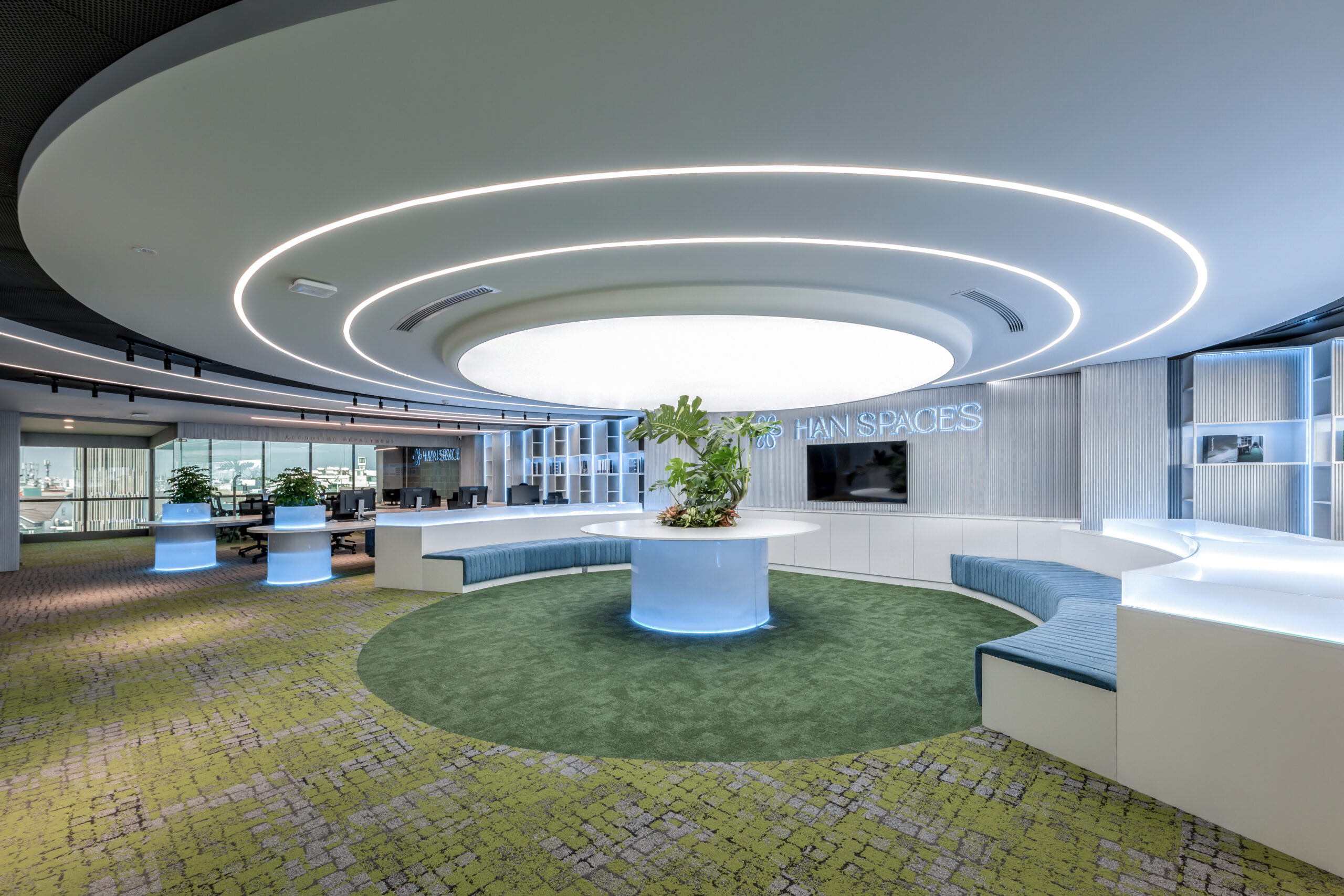
The company’s portfolio spans sectors such as technology, finance, manufacturing, and professional services. Across these projects, a consistent objective is achieved: aligning spatial design with business performance. Industry research indicates that well-designed workplaces can improve employee productivity by up to 20% and reduce turnover by 10% to 15%, reinforcing the importance of thoughtful workplace strategies.
Han Spaces’ direction is defined by integrating advanced technology into the design process while maintaining a strong foundation in human-centered design. Its mission focuses on creating efficient, adaptable, and future-ready workplaces that respond to evolving business needs.
AI Reshaping the Way Workplaces Are Designed
Artificial intelligence is becoming an increasingly relevant tool in architecture and interior design, including office design in Vietnam. According to recent industry reports, over 35% of design firms globally have begun integrating AI into their workflows, particularly in early-stage planning and visualization.
In workplace design, AI supports several key functions:
- Space optimization based on occupancy and usage data
- Rapid generation of layout options during concept development
- Predictive analysis of user behavior and movement patterns
These applications can reduce design iteration time by up to 30% and improve planning accuracy. However, AI adoption remains uneven, and its role is best understood as an enhancement rather than a replacement for human expertise. Contextual understanding, brand identity, and cultural nuance still rely heavily on designer input.
The most effective approach combines AI-driven efficiency with professional judgment, enabling faster yet more informed decision-making.
Experiencing Design Before It Is Built Through VR
One of the primary challenges in workplace projects is ensuring alignment between design intent and client expectations. Traditional 2D drawings and static 3D renderings often leave gaps in spatial understanding.
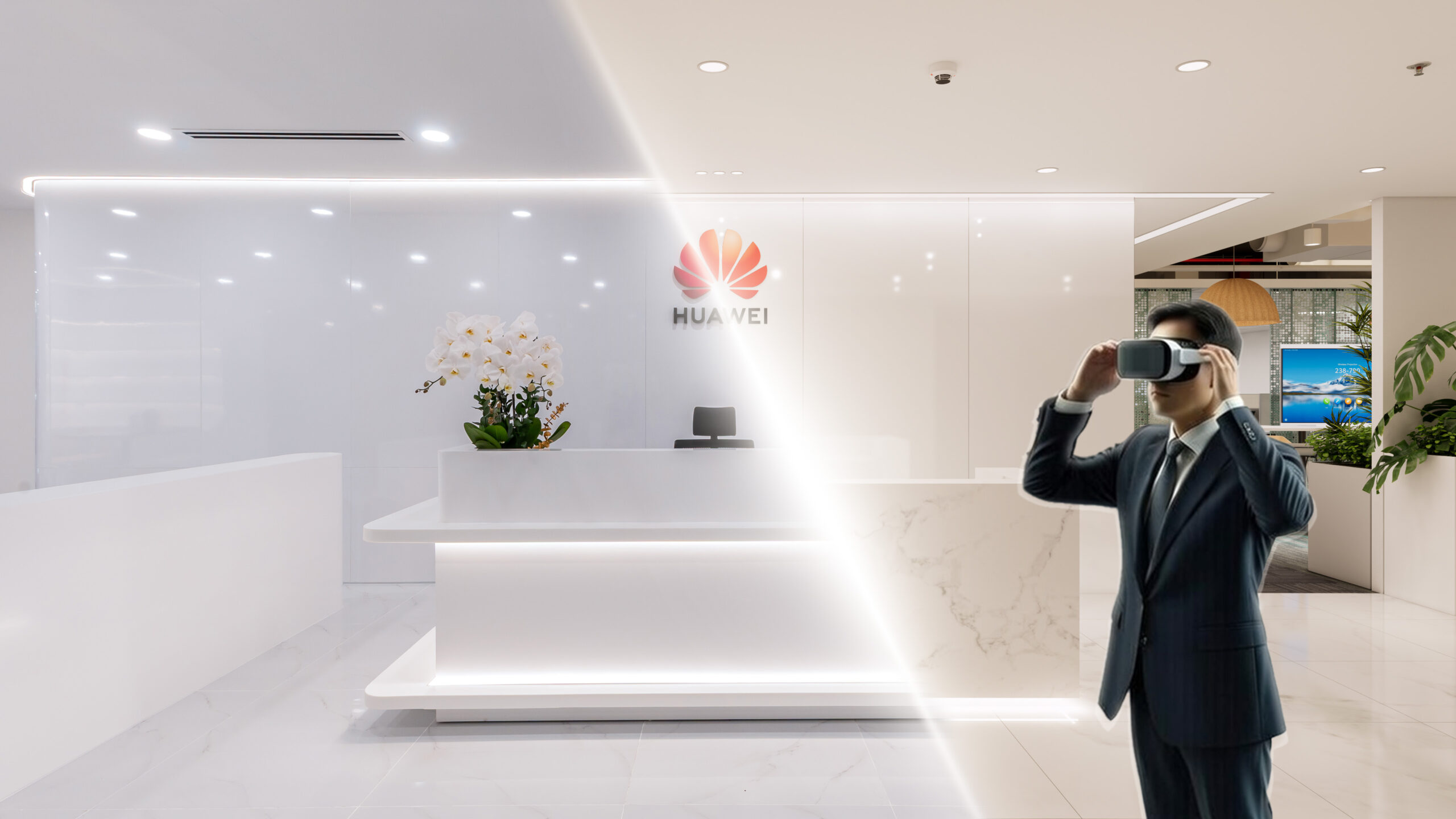
Han Spaces applies virtual reality technology to address this issue, enhancing how office design in Vietnam is visualized and delivered. VR allows clients to experience a full-scale, immersive representation of their future workplace before construction begins. Users can navigate the space, evaluate layout efficiency, and assess design elements in real time.
Studies show that immersive visualization can improve client comprehension by over 40% compared to conventional methods. This leads to faster approvals and fewer revisions during later stages.
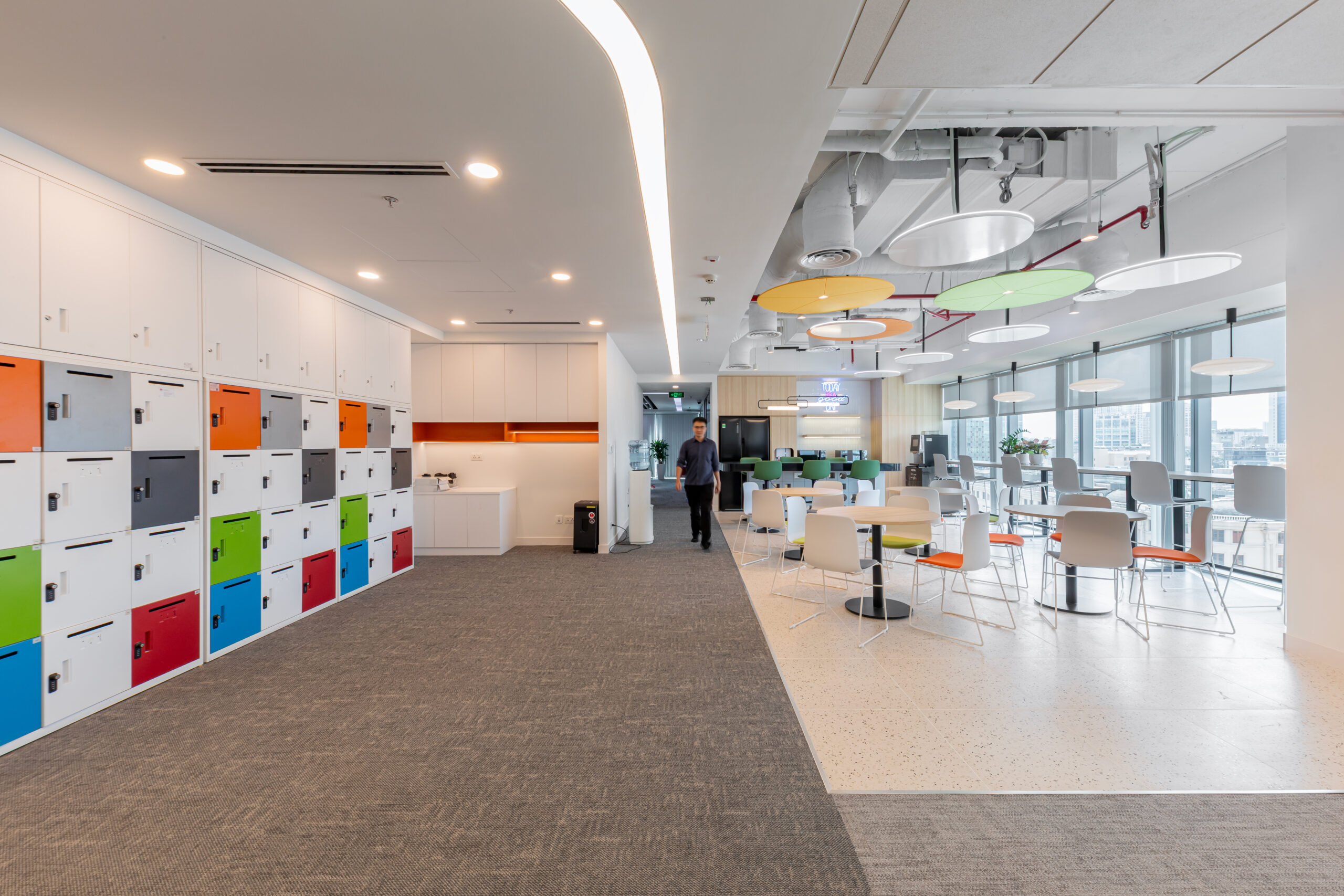
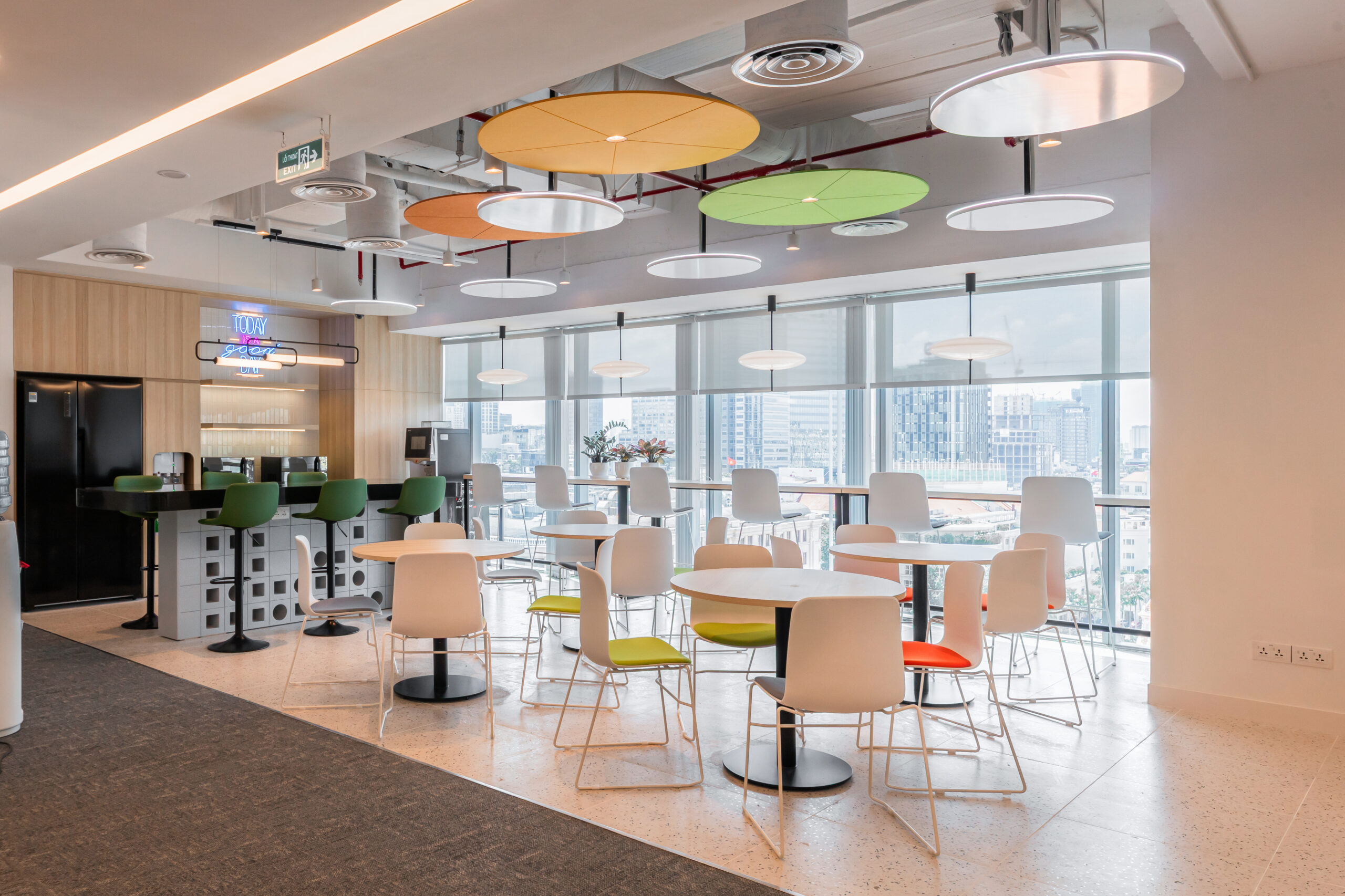
By integrating VR into its workflow, Han Spaces enhances communication, minimizes design risks, and supports more efficient project delivery.
Accelerating Ideas into Space with AI-Driven Design
In addition to visualization, Han Spaces is exploring AI-supported tools to streamline the early phases of design, reinforcing its leadership in office design in Vietnam. These tools enable rapid translation of initial requirements into spatial concepts, significantly shortening the concept development timeline.
Through a structured input process, key information such as functional needs, spatial preferences, and furniture parameters can be translated into immediate visual outputs. This allows multiple design directions to be generated and reviewed within a significantly reduced timeframe.
Early implementations of such approaches in the industry have demonstrated time savings of up to 50% in concept development, along with improved budget forecasting accuracy. While still evolving, these tools offer a practical advantage by enabling faster alignment between stakeholders and design teams.
Importantly, this approach does not replace the design process. Instead, it enhances it by allowing designers to focus more on refinement, customization, and delivering higher-value solutions.
Designing for What Comes Next
The workplace design industry is entering a phase where technology adoption is no longer optional but essential. AI and VR are reshaping how spaces are conceived, communicated, and delivered.
Han Spaces represents a model of this transition, combining immersive visualization and AI-supported workflows with established design expertise. The result is a more efficient, transparent, and data-informed approach to workplace design.
As organizations continue to adapt to new ways of working, the ability to leverage technology while maintaining design quality will define the next generation of workplace environments.
Working with Han Spaces
For organizations seeking a more structured, technology-enabled approach to workplace design, particularly in office design in Vietnam, partnering with an experienced design and build firm can significantly improve project outcomes. From early-stage planning to final delivery, an integrated process helps ensure alignment across design intent, budget control, and construction execution.
Han Spaces works closely with clients to translate business objectives into spatial strategies, supported by advanced visualization tools and efficient design methodologies. This collaborative approach enables clearer decision-making, reduced project risk, and better overall performance of the workplace.
Engaging with the right partner at the outset allows companies to not only optimize their current workspace, but also build a foundation for future adaptability in an increasingly dynamic work environment.
Other News - Events
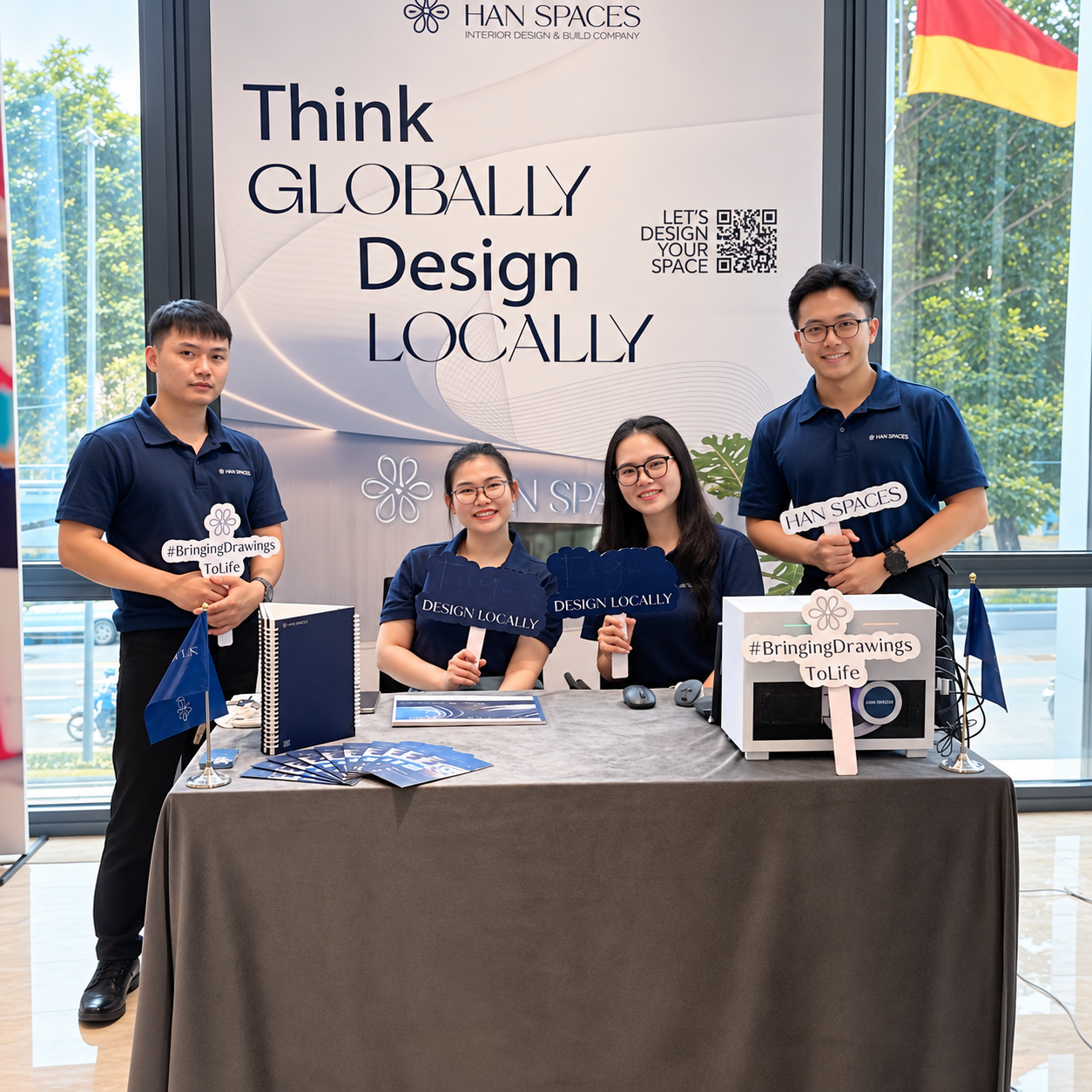
HAN Spaces Showcases Workplace Solutions at GBA Business...
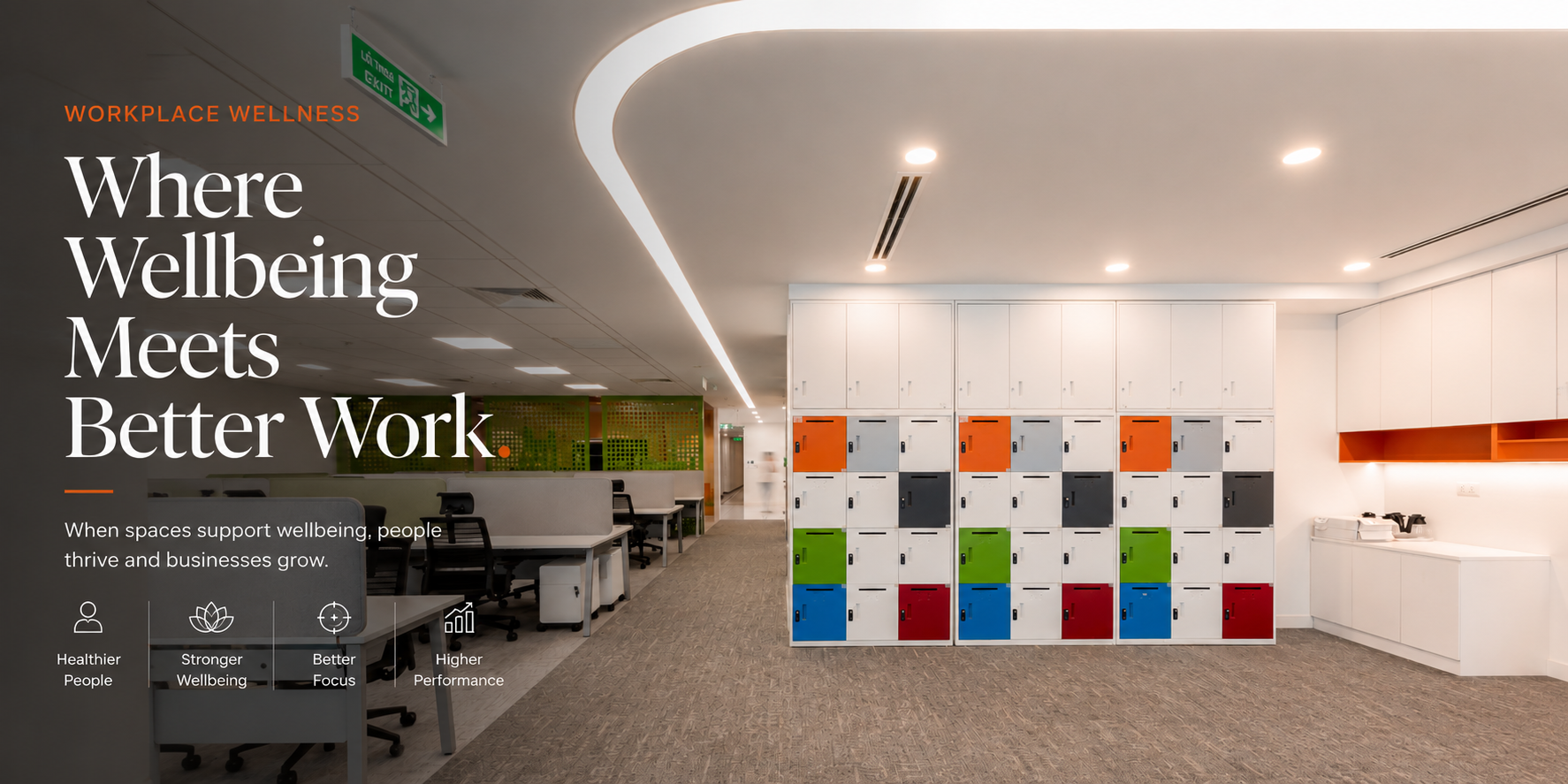
Workplace Wellness: How Better Spaces Support People and...
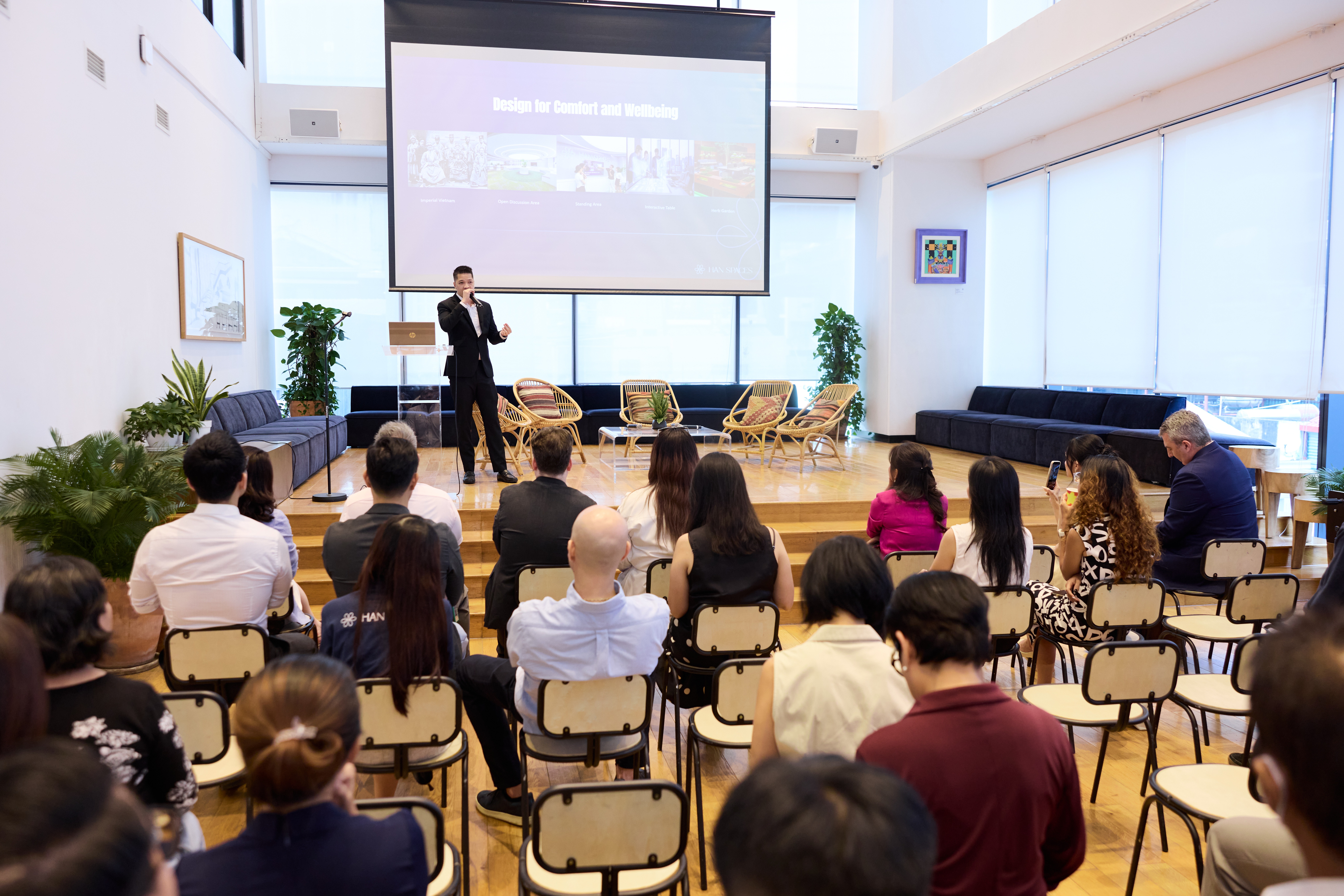
HAN Spaces Joined GBA Workshop on Designing the...
How to Prepare New Office: Key Steps &...