


5 Powerful AI in Office Trends Transforming Workspaces | HAN Spaces
From Workplace Design to Workplace Strategy: The HAN Spaces Perspective
Founded in 2014 in partnership with a leading Australian office design firm, HAN Spaces delivers bespoke office environments that enhance productivity, support employee well-being, and enable collaboration. These capabilities are increasingly important in AI in office environments, where work is more dynamic and interconnected.
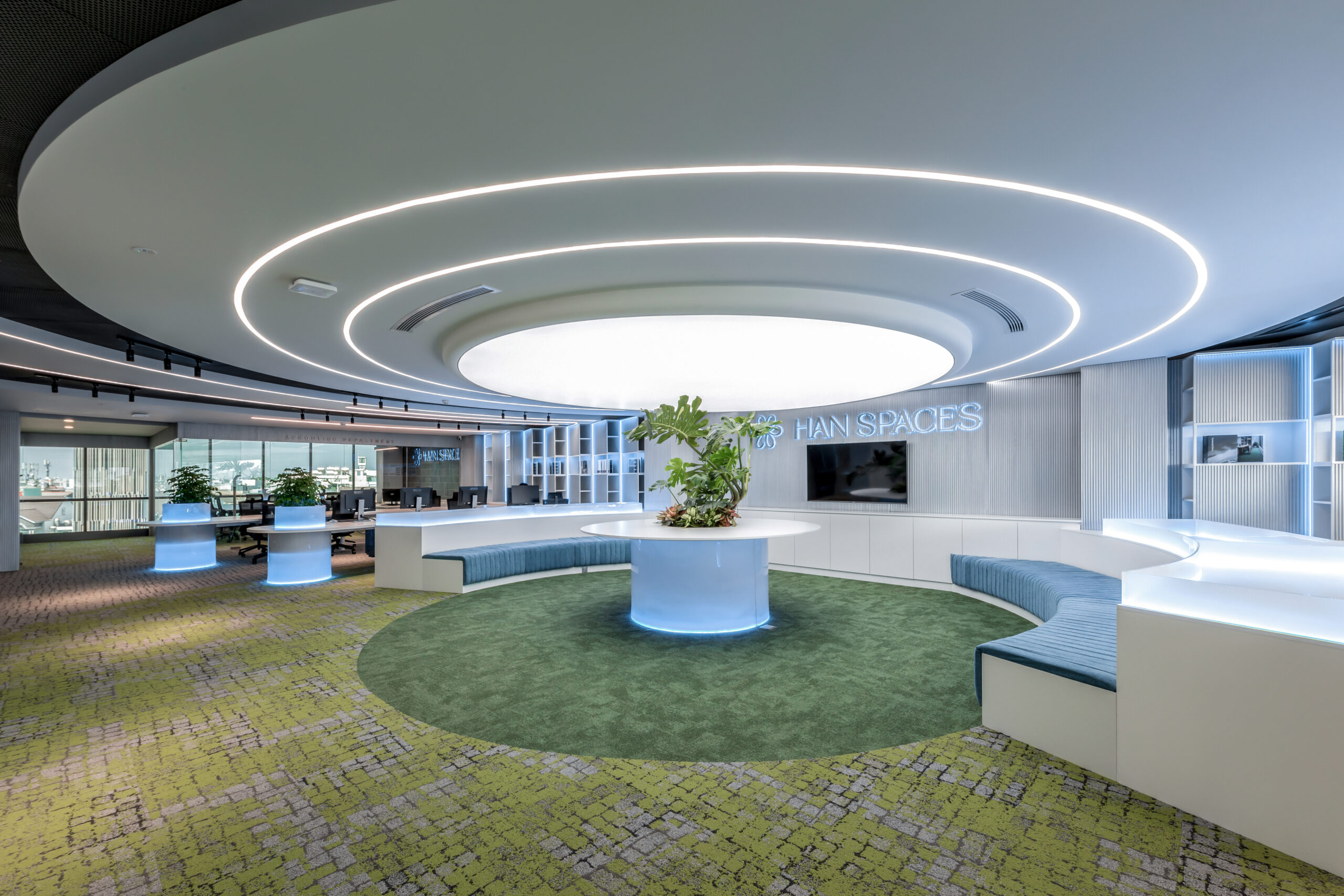
A defining element of its approach is the integration of virtual reality into the design process. Clients are able to experience their workspace at the conceptual stage, which supports more informed decision-making and reduces execution risk. This ensures strong alignment between design intent and final delivery.
This methodology reflects a broader shift in workplace thinking. Design is no longer limited to physical space. It is a means of enabling performance.
AI in Office Is Redefining How Work Happens
As AI in office environments becomes increasingly embedded in daily operations, organizations are rethinking not only how work is performed, but also how workplaces are designed. The shift is no longer theoretical. AI is actively transforming workflows, decision-making, and collaboration patterns.
One assumption, however, has proven incorrect. Technology is not reducing the importance of the physical office. Instead, the office is becoming more critical as a hub for collaboration, learning, and human interaction.
This shift raises an important question for organizations. What should the workplace look like in an AI-driven environment?
1. AI in Office Is Elevating Human-Centered Work
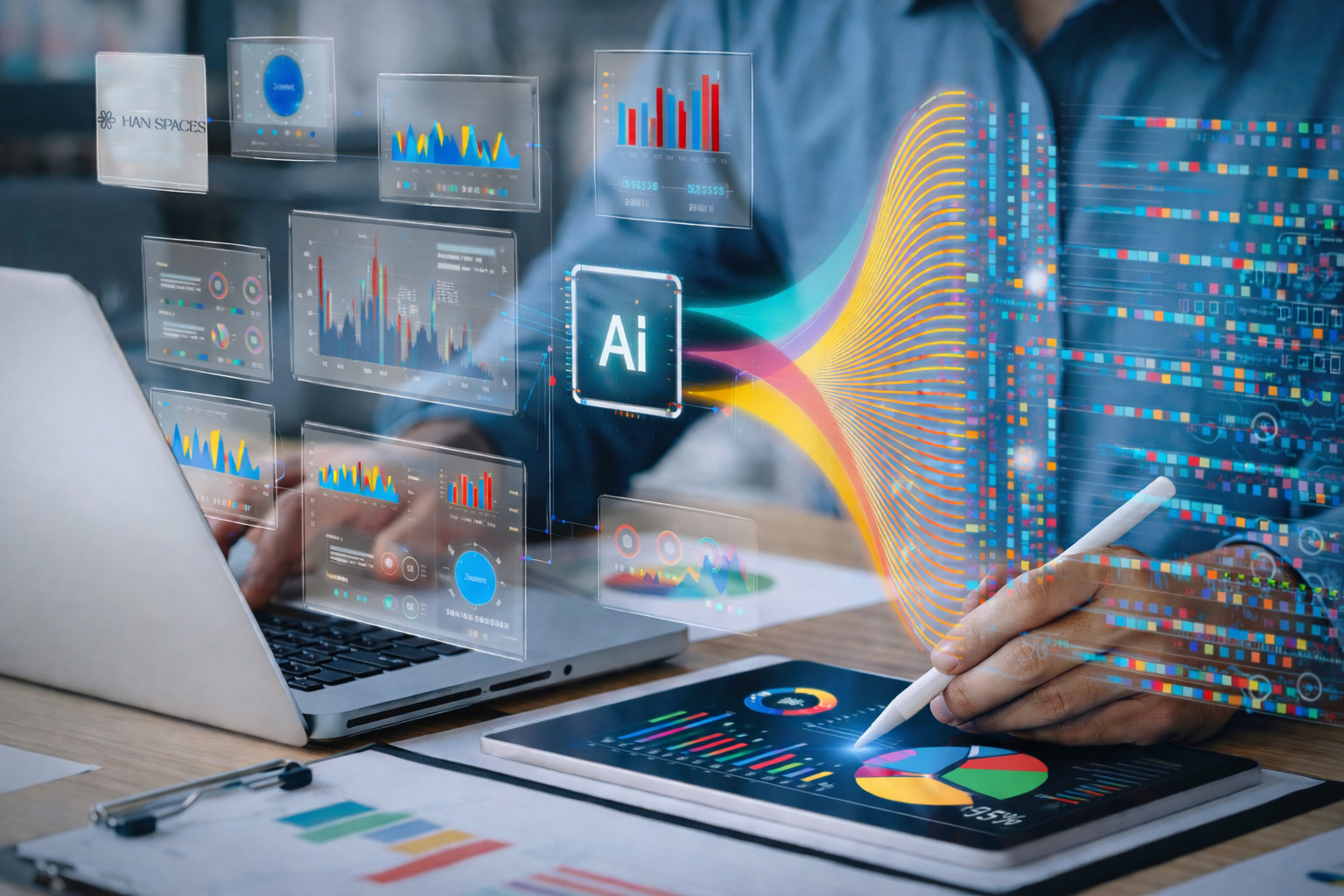
The integration of AI in office environments is redefining roles across organizations. As routine tasks are automated, employees are focusing more on problem-solving, creativity, and strategic thinking.
Data shows that 30 percent of workers already use AI tools regularly, indicating that this transition is already underway.
As a result, productivity is being redefined. The emphasis is shifting from efficiency alone to the quality of insight and the ability to collaborate effectively.
2. AI in Office Is Increasing the Importance of Collaboration
A common assumption is that AI reduces the need for human interaction. Evidence suggests the opposite.
Employees who actively use AI spend less time working alone and more time collaborating, learning, and engaging with others.
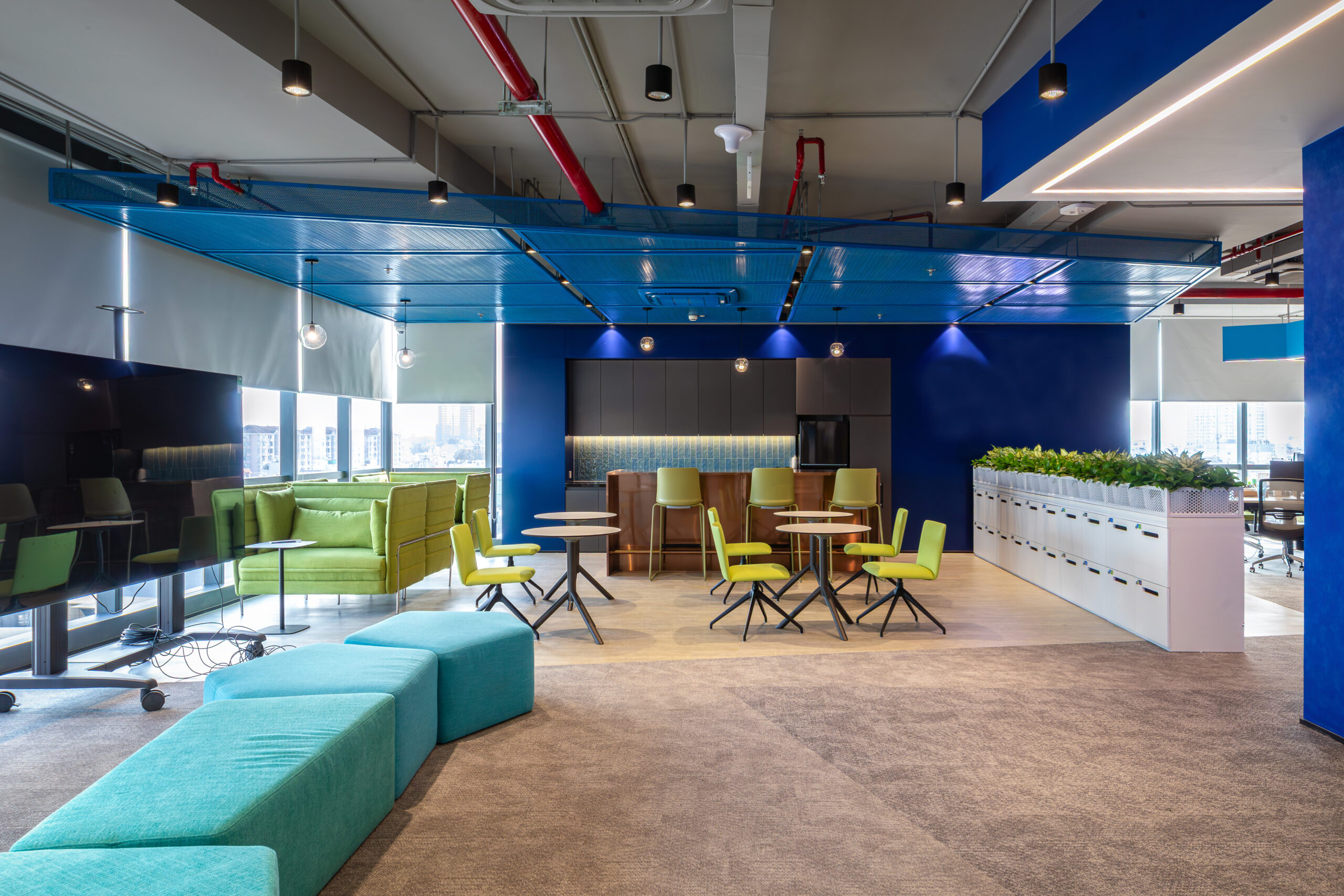
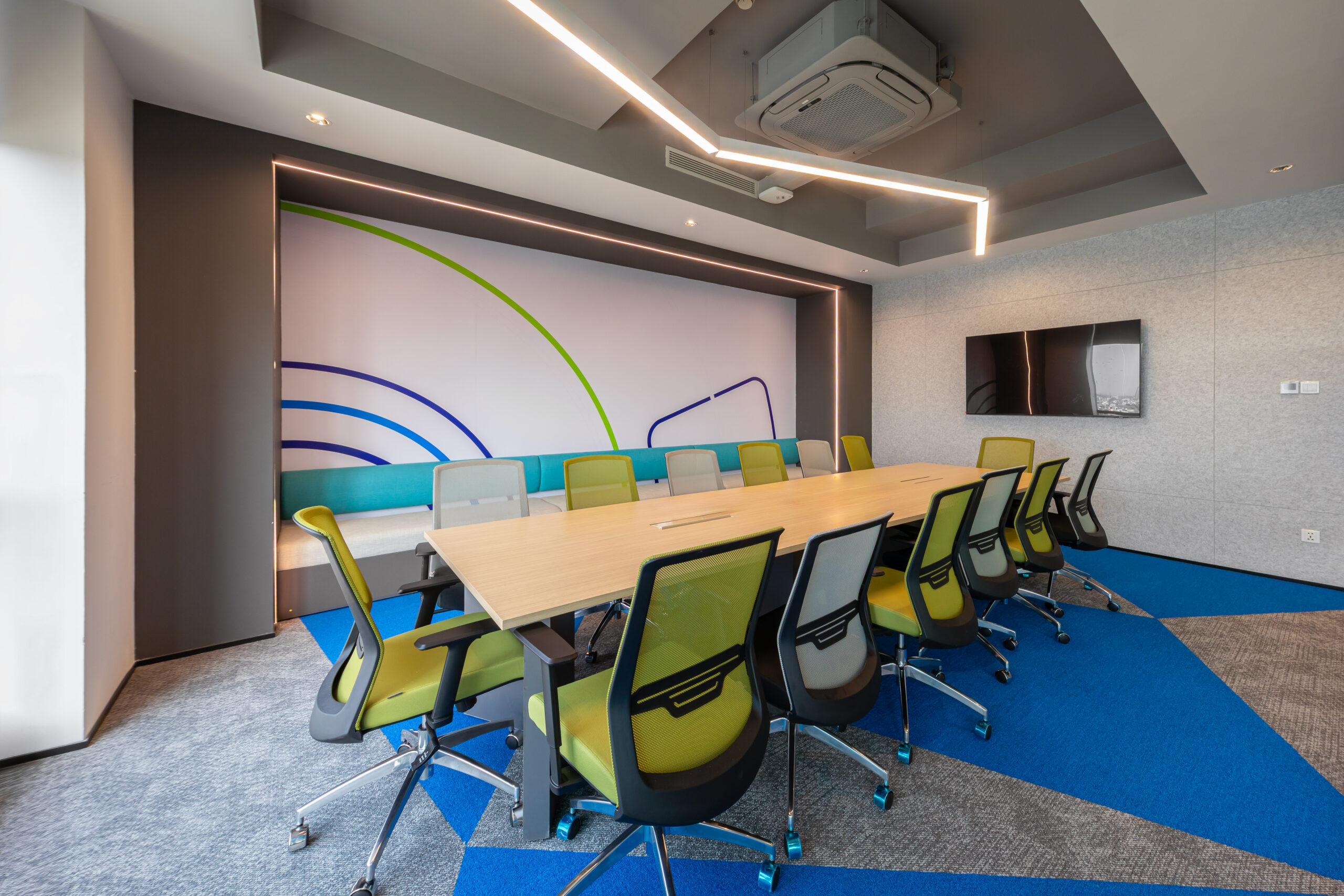
This shift highlights a key implication. As technology handles more individual tasks, human value increasingly lies in interaction. Collaboration and knowledge sharing are becoming central to performance.
Workplaces must evolve accordingly to support more dynamic and frequent engagement.
Read more: 10+ mẫu thiết kế văn phòng thông minh mới nhất hiện nay
3. AI in Office Is Redefining the Role of the Workplace
Despite the growth of digital tools, the office remains a central part of the work experience. Employees continue to spend more than half of their workweek in the office, reinforcing its ongoing relevance.
However, its role is changing. The office is no longer primarily a place for task execution. It is becoming a platform for collaboration, mentoring, and knowledge exchange.
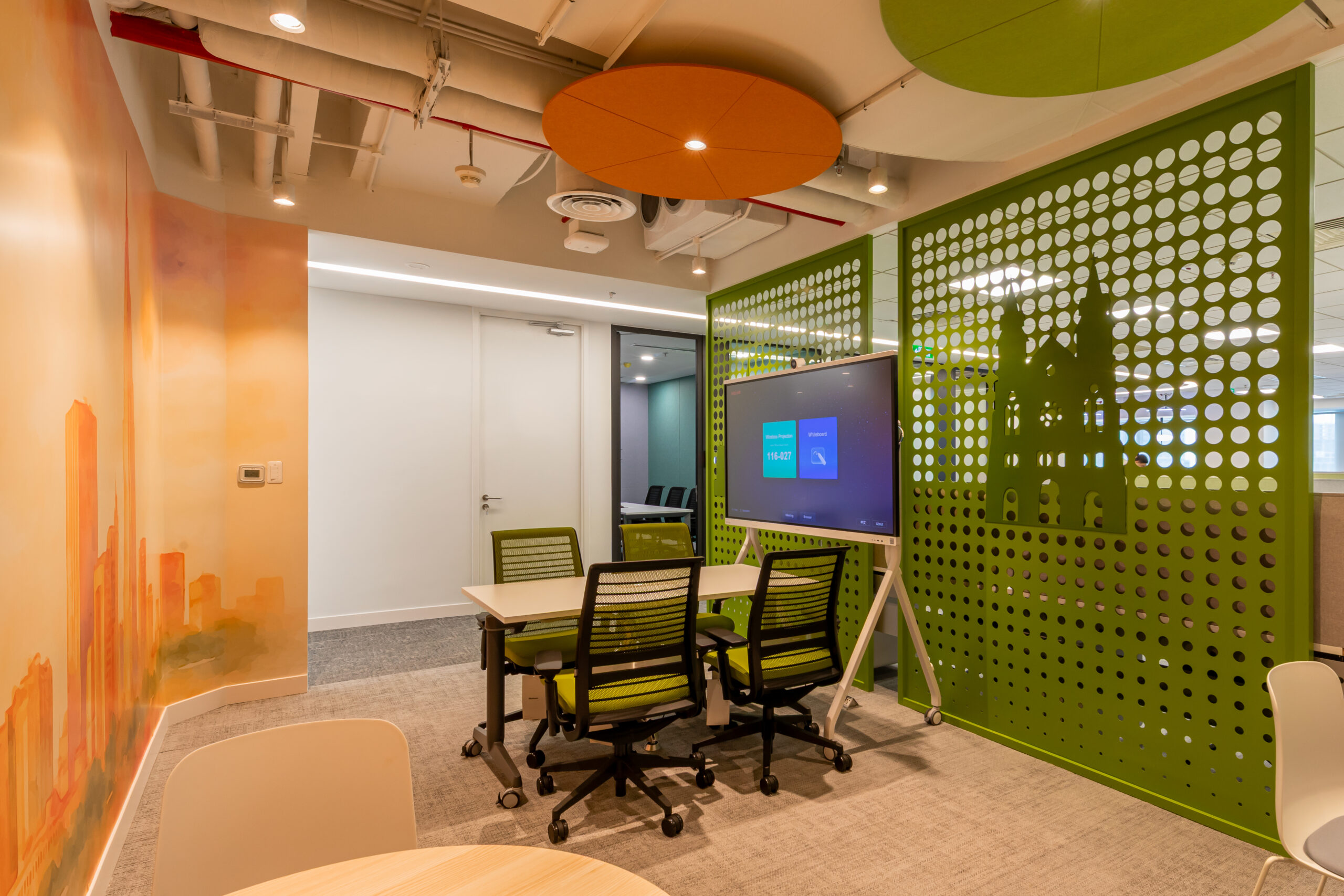
This evolution requires a shift in design priorities, moving away from efficiency-focused layouts toward environments that support experience and interaction.
4. Traditional Offices Are No Longer Fit for AI-Driven Work
While work has evolved significantly, many workplaces have not kept pace.
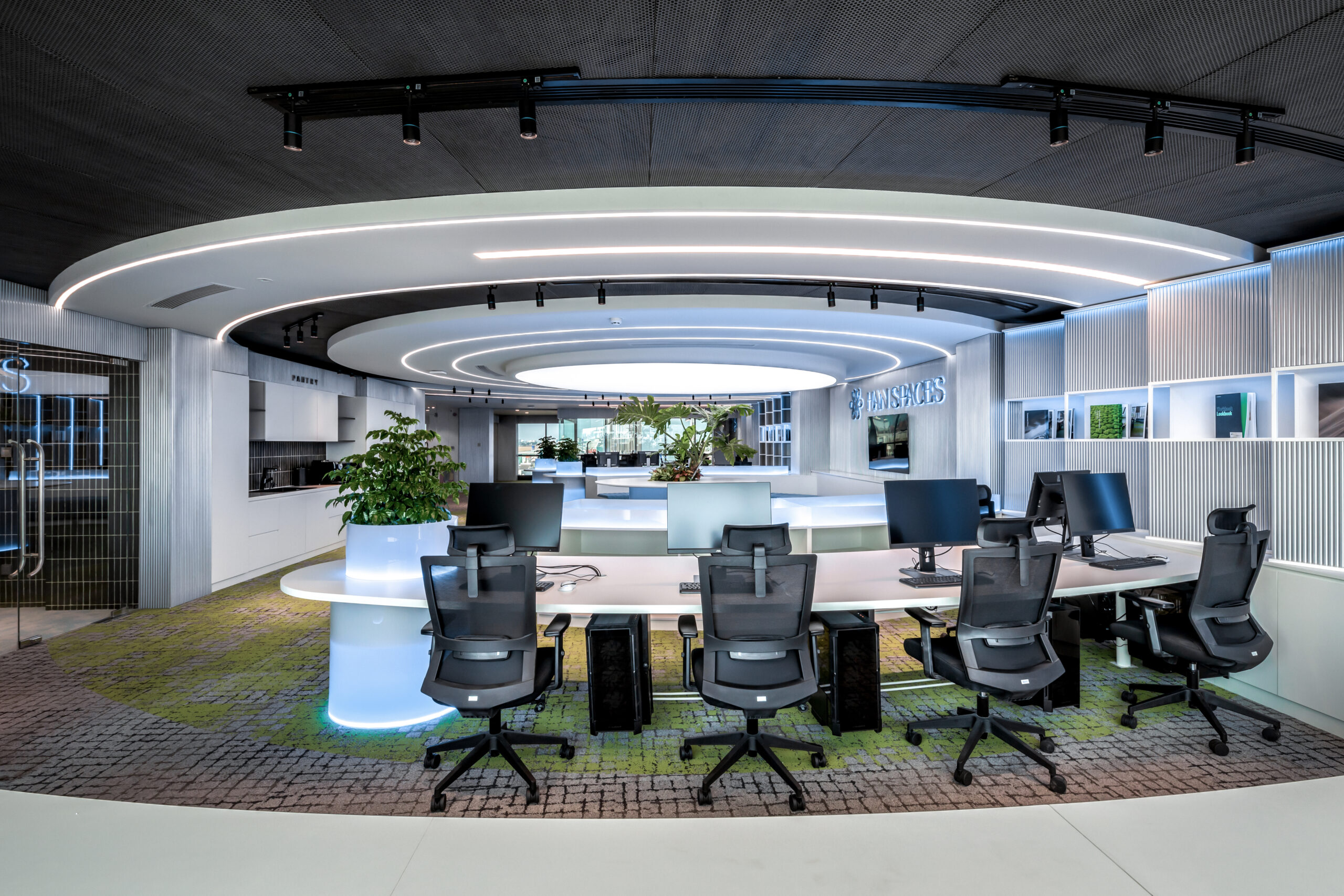
Employees frequently report limitations in meeting space availability, flexibility, and the ability to adapt environments to different tasks. These constraints often lead to workarounds that reduce both productivity and overall experience.
In AI in office environments, where adaptability and speed are essential, these limitations become increasingly problematic.
This highlights a growing gap between how work is performed and how workplaces are designed.
5. Adaptive Workspaces Are Becoming a Strategic Priority
Addressing this gap requires a new approach to workplace design. Organizations need environments that are flexible, technology-enabled, and centered on human experience.
This is where HAN Spaces provides a strong response.
Rather than designing static offices, HAN Spaces creates adaptive environments that support multiple modes of work. These spaces enable seamless transitions between focused tasks, collaboration, and learning, aligning with the realities of AI in office workflows.
At the same time, the integration of smart infrastructure ensures that digital tools and AI systems are fully supported within the physical environment.
Equally important, these workplaces are designed to enhance experience. They support interaction, engagement, and well-being, which are critical in environments where collaboration plays a central role. Research shows that AI users report stronger team relationships and higher levels of collaboration, reinforcing this need.
The Workplace as a Competitive Advantage
The rise of AI in office environments represents a structural shift in how work is performed.
Organizations that continue to treat the workplace as a static asset risk limiting their ability to adapt. In contrast, those that recognize it as a strategic lever can improve performance, strengthen collaboration, and support continuous learning.
In this context, workplace design becomes a business decision with long-term impact.
By integrating design, technology, and user experience, HAN Spaces enables organizations to align their environments with the demands of AI-driven work. This approach positions the workplace not only as a place to work, but as a driver of sustained performance and competitive advantage.
Other News - Events
How to Prepare New Office: Key Steps &...
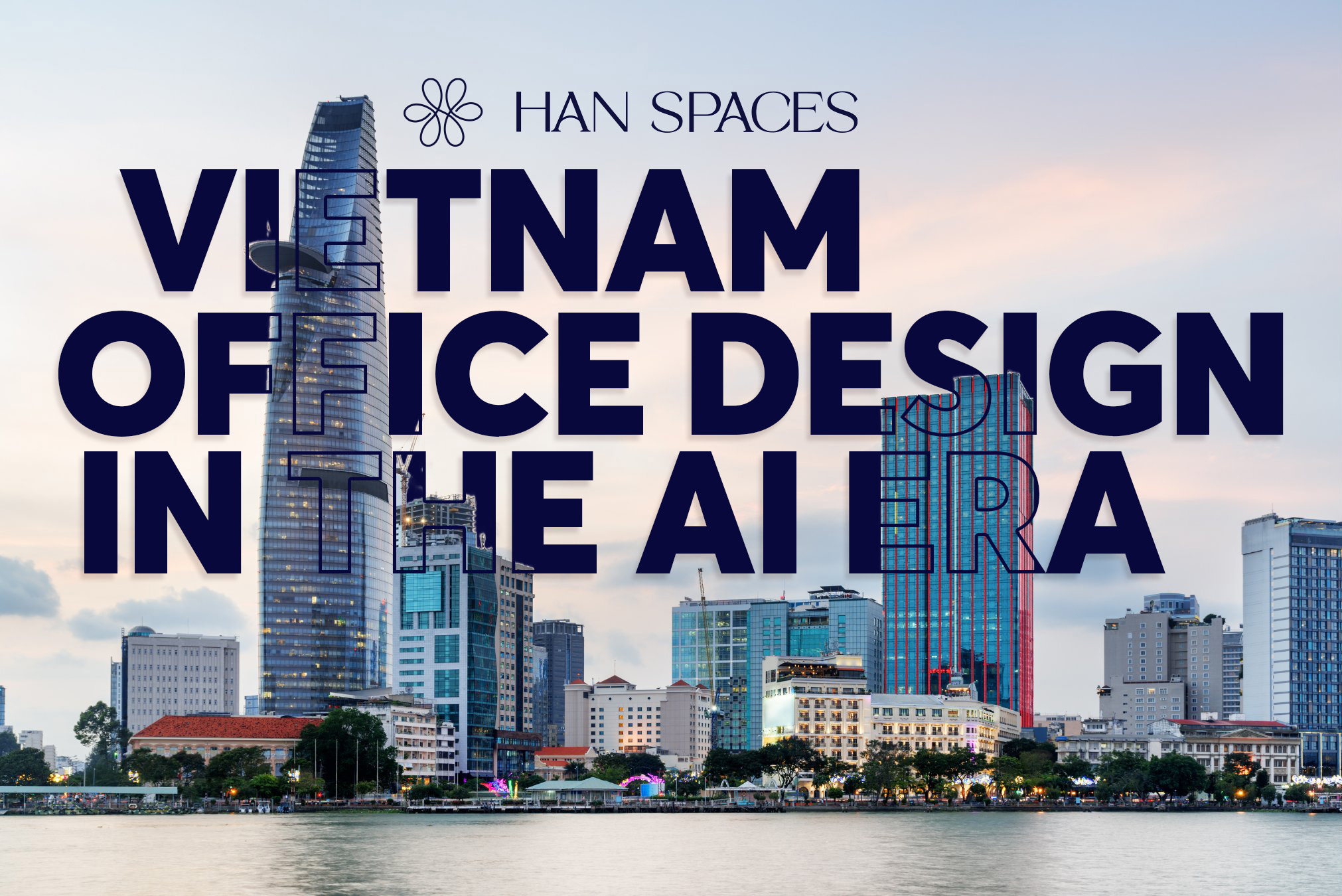
2026 Vietnam Office Design in the AI Era...

LEED Certification for Offices: A Strategic Guide for...

Tommy Tran Appointed Interim Director of AusCham Vietnam...

