
Chứng chỉ LEED: Chìa khóa cho văn phòng bền vững, đẳng cấp
Tổng quan về chứng chỉ xanh LEED
Chứng chỉ LEED đã trở thành thước đo quốc tế cho những không gian làm việc tối ưu năng lượng và thân thiện với môi trường. Khi tính bền vững ngày càng định hình chiến lược cốt lõi của doanh nghiệp, nhiều tổ chức đang áp dụng các tiêu chuẩn LEED để nâng cao hiệu suất văn phòng, cải thiện sức khỏe nhân viên và hỗ trợ hiệu quả vận hành dài hạn.
Được phát triển bởi Hội đồng Công trình Xanh Hoa Kỳ (USGBC), LEED (Leadership in Energy and Environmental Design) hiện là một trong những bộ tiêu chuẩn công trình xanh phổ biến nhất thế giới. Chứng chỉ LEED cung cấp một bộ quy tắc chuẩn hóa, giúp đưa yếu tố bền vững vào thiết kế văn phòng, thi công và vận hành, kiến tạo ra môi trường làm việc lành mạnh và năng suất.
Tại Việt Nam, việc áp dụng các tiêu chuẩn công trình xanh đang tăng tốc mạnh mẽ. Theo dữ liệu từ USGBC (2024), Việt Nam có hơn 280 dự án đạt chứng nhận LEED, tương đương hơn 6,5 triệu m² diện tích sàn, trong đó các dự án văn phòng chiếm tỷ trọng lớn. Các trung tâm thương mại lớn như TP. HCM và Hà Nội đang dẫn đầu quá trình chuyển đổi này, thúc đẩy bởi nhu cầu từ các tập đoàn đa quốc gia, các công ty công nghệ và các nhà đầu tư tổ chức đang tìm kiếm môi trường văn phòng hiệu suất cao, phù hợp với các tiêu chuẩn ESG.
Chứng chỉ LEED là gì?
LEED là hệ thống chứng chỉ công trình xanh được quốc tế công nhận, dùng để đánh giá mức độ hiệu quả của một tòa nhà hoặc không gian nội thất dựa trên các tiêu chí bền vững then chốt, bao gồm: hiệu quả năng lượng, tiết kiệm nước, chất lượng môi trường nội khu, sử dụng vật liệu bền vững và khả năng giảm thiểu tác động tới môi trường tổng thể.
Đối với môi trường văn phòng, LEED thúc đẩy cách tiếp cận toàn diện bằng cách chú trọng vào cả hạ tầng kỹ thuật của tòa nhà lẫn trải nghiệm thực tế của người sử dụng. Các văn phòng đạt chứng nhận thường tiêu thụ ít tài nguyên thiên nhiên hơn, giảm thiểu rác thải và mang lại không gian làm việc lý tưởng. Kết quả là, nơi làm việc chuẩn LEED không chỉ mang lại lợi ích môi trường rõ rệt mà còn hỗ trợ sự hài lòng, năng suất của nhân viên và hiệu quả kinh doanh của doanh nghiệp.
Thay vì chỉ tập trung vào khâu xây dựng, LEED nhấn mạnh vào toàn bộ vòng đời của công trình, từ khâu thiết kế, lựa chọn vật liệu đến vận hành dài hạn và giám sát hiệu suất. Điều này đảm bảo các kết quả bền vững đạt được cả trong ngắn hạn lẫn dài hạn.
Tại sao chứng nhận LEED lại quan trọng đối với văn phòng?
Tác động môi trường và trách nhiệm với khí hậu
Văn phòng đạt chuẩn LEED giúp giảm đáng kể mức tiêu thụ năng lượng, sử dụng nước và phát thải carbon, đóng góp trực tiếp vào việc giảm thiểu biến đổi khí hậu và quản lý tài nguyên có trách nhiệm. Theo Tổ chức Tài chính Quốc tế (IFC), các công trình xanh thường tiết kiệm 30 – 40% năng lượng, 20 – 30% nước và giảm 50 – 75% lượng rác thải so với các công trình thông thường.
Sự cắt giảm này đặc biệt có ý nghĩa trong môi trường đô thị, nơi các tòa nhà văn phòng chiếm tỷ trọng lớn trong tổng nhu cầu năng lượng. Bằng cách tối ưu hiệu suất và giảm thiểu lãng phí tài nguyên, văn phòng LEED đóng vai trò then chốt trong việc hỗ trợ các mục tiêu bền vững quốc gia và cam kết giảm phát thải của doanh nghiệp.
>> Xem thêm: Xu hướng bền vững năm 2026
Giá trị kinh doanh và hiệu quả tài chính
Bên cạnh lợi ích môi trường, chứng chỉ LEED mang lại lợi thế kinh doanh mạnh mẽ. Nghiên cứu từ CBRE Việt Nam và JLL Châu Á Thái Bình Dương cho thấy, các tòa nhà văn phòng LEED tại Việt Nam thường có mức giá thuê nhỉnh hơn 5 – 12%, đồng thời đạt tỷ lệ lấp đầy cao hơn và thời gian giữ chân khách thuê lâu hơn.
Những ưu thế về hiệu suất này giúp gia tăng giá trị tài sản, giảm rủi ro trống mặt bằng và mang lại lợi nhuận đầu tư dài hạn tốt hơn. Mặc dù nguồn vốn đầu tư ban đầu có phần đắt đỏ, nhưng việc tiết kiệm chi phí vận hành, tối ưu năng lượng và nâng cao vị thế thị trường sẽ giúp hoàn vốn hiệu quả theo thời gian. Do đó, chứng chỉ LEED ngày càng được xem là một khoản đầu tư chiến lược giúp tăng cường khả năng phục hồi tài chính và năng lực cạnh tranh.
Sức khỏe nhân viên và hiệu suất làm việc
Một trong những lý lẽ thuyết phục nhất cho văn phòng chuẩn LEED là tác động đến sức khỏe và năng suất nhân viên. Nghiên cứu của Hội đồng Công trình Xanh Thế giới (WorldGBC) và Trường Y tế Công cộng Harvard T.H. Chan cho thấy, nhân viên làm việc trong môi trường xanh cải thiện tới 26% khả năng nhận thức, giảm 30% các triệu chứng bệnh lý liên quan đến văn phòng và tăng 6 – 11% năng suất.
Chất lượng không khí trong nhà được cải thiện, sự thoải mái về nhiệt độ, tiếp cận ánh sáng tự nhiên và thiết kế âm học tốt hơn giúp nhân viên tăng cường sự tập trung và giảm mệt mỏi. Đối với các tổ chức, những lợi ích này chuyển hóa thành sự gắn kết cao hơn, giảm tỷ lệ nghỉ việc, thu hút tài năng và giảm chi phí y tế, từ đó củng cố cả văn hóa doanh nghiệp lẫn kết quả kinh doanh.
Hiệu suất ESG và uy tín doanh nghiệp
Khi tiêu chuẩn ESG trở nên trọng yếu, chứng chỉ LEED đóng vai trò là công cụ đắc lực giúp doanh nghiệp chuẩn hóa báo cáo bền vững và minh bạch hóa dữ liệu với nhà đầu tư. Các văn phòng đạt chuẩn cung cấp dữ liệu đo lường cụ thể về năng lượng, nước và carbon, cho phép tổ chức theo dõi và chứng minh tiến trình phát triển bền vững.
Tại Việt Nam, việc áp dụng ESG đang tăng tốc khi nhiều doanh nghiệp tích hợp các chỉ số môi trường và xã hội vào hoạch định chiến lược. Chứng chỉ LEED phục vụ như một bảo chứng uy tín, giúp củng cố danh tiếng thương hiệu, sức hút nhà tuyển dụng và các cam kết về trách nhiệm xã hội.
Các cấp độ chứng nhận LEED
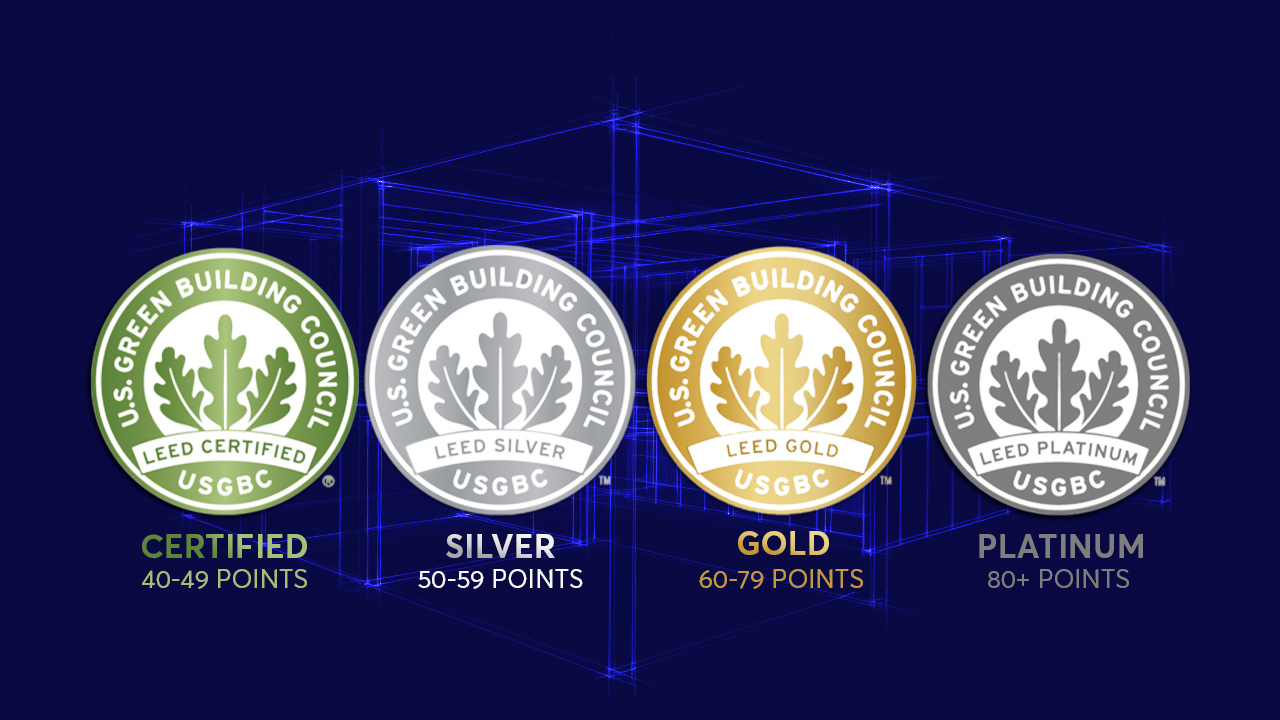
Chứng nhận LEED được phân hạng dựa trên thang điểm đạt được về độ bền vững:
- LEED Certified (40 – 49 điểm): Đáp ứng các tiêu chuẩn bền vững cơ bản.
- LEED Silver (50 – 59 điểm): Thể hiện hiệu suất vận hành tốt và thân thiện với môi trường.
- LEED Gold (60 – 79 điểm): Khẳng định vận hành tối ưu và áp dụng các giải pháp môi trường tiên tiến.
- LEED Platinum (>= 80): Cấp độ cao nhất, dẫn đầu thế giới về thiết kế và vận hành bền vững.
Tại Việt Nam, đa số khách thuê đa quốc gia và các nhà phát triển cao cấp thường hướng tới chứng chỉ Bạc (Silver) hoặc Vàng (Gold) để cân bằng giữa tính bền vững và tính khả thi về tài chính. Các trụ sở tập đoàn lớn và dự án thương mại trọng điểm đang dần theo đuổi chứng chỉ Platinum để thể hiện vị thế dẫn đầu về đổi mới và vượt trội trong thực thi ESG.
Các tiêu chí đánh giá chứng chỉ LEED
LEED đánh giá văn phòng qua một tập hợp các hạng mục kết nối chặt chẽ với nhau:
- Vị trí và giao thông: Đánh giá tính kết nối của khu vực và các tiện ích giao thông xung quanh giúp giảm thiểu tác động môi trường, ưu tiên các vị trí thuận tiện giao thông công cộng và thân thiện với người đi bộ.
- Địa điểm bền vững: Tập trung bảo tồn cảnh quan thiên nhiên, tối ưu hệ thống thoát nước, giảm tình trạng hấp thụ nhiệt và hạn chế chói sáng cho tòa nhà.
- Hiệu quả sử dụng nước: Tối ưu hóa nguồn nước bằng các thiết bị vệ sinh tiết kiệm, hệ thống tái sử dụng nước mưa và công nghệ giám sát thông minh.
- Điện năng: Hạng mục quan trọng nhất, ưu tiên tính toán mức tiêu thụ điện, tối ưu hóa hệ thống HVAC, sử dụng năng lượng sạch và theo dõi sát sao mức điện tiêu thụ.
- Vật liệu và rác thải: Khuyến khích nguồn cung ứng uy tín, chọn vật liệu ít phát thải carbon, giảm rác thải xây dựng và khuyến khích tái sử dụng vật dụng cũ.
- Không gian làm việc: Chú trọng quản lý chất lượng không khí, tối ưu ánh sáng tự nhiên, đảm bảo yên tĩnh và sử dụng vật liệu phát thải thấp.
- Đổi mới và ưu tiên khu vực: Trao thưởng cho các chiến lược bền vững độc đáo và các giải pháp môi trường đặc thù của địa phương.
Chứng nhận LEED cho nội thất văn phòng (ID+C)
Bên cạnh chứng nhận toàn tòa nhà, LEED còn có chứng nhận Thiết kế và Thi công Nội thất (ID+C), đặc biệt phù hợp cho việc hoàn thiện văn phòng cho thuê, cải tạo trụ sở hoặc không gian co-working. Khung tiêu chuẩn này cho phép các tổ chức đạt được sự bền vững ngay cả khi vận hành trong các công trình không có chứng chỉ xanh.
LEED ID+C nhấn mạnh vào hiệu quả mặt bằng nội thất, hiệu suất chiếu sáng, vật liệu bền vững, chất lượng không khí và thiết bị tiết kiệm điện. Khi mô hình làm việc linh hoạt (hybrid) tiếp tục phát triển, LEED ID+C cung cấp một lộ trình thực tiễn để tích hợp tính bền vững vào các văn phòng hiện đại.
>> Xem thêm: Top 7 nguyên tắc thiết kế nội thất văn phòng tăng vượng khí
Quy trình đạt chứng chỉ LEED
Lộ trình đạt chứng chỉ LEED bắt đầu bằng việc xác định mục tiêu bền vững, bao gồm mức chứng nhận kỳ vọng, phạm vi dự án, ngân sách và lộ trình thực hiện. Những mục tiêu chiến lược này là cơ sở cho mọi quyết định về thiết kế và thi công sau này.
Tiếp theo, một đội ngũ chuyên gia phối hợp sẽ được thành lập, bao gồm kiến trúc sư, kỹ sư, thiết kế nội thất, nhà thầu và chuyên gia tư vấn công trình xanh. Việc đồng hành ngay từ giai đoạn khởi tạo của các chuyên gia sở hữu bằng cấp LEED (LEED AP) đảm bảo dự án đáp ứng nghiêm ngặt các tiêu chuẩn kỹ thuật và tối ưu hóa quy trình thẩm định hồ sơ.
Trong giai đoạn thiết kế, các chiến lược bền vững được lồng ghép vào quy hoạch không gian, hệ thống điện nước, thiết kế chiếu sáng và lựa chọn vật liệu. Mô phỏng năng lượng giúp tối ưu hiệu suất hệ thống, giảm chi phí vận hành dài hạn.
Giai đoạn thi công tập trung vào kiểm soát nguồn cung ứng vật liệu, quản lý phế thải và kiểm soát chất lượng. Hồ sơ chi tiết được thu thập xuyên suốt để phục vụ việc thẩm định. Sau khi hoàn thành, hệ thống sẽ được kiểm tra vận hành (commissioning) trước khi USGBC soát xét hồ sơ cuối cùng và cấp bằng chứng nhận chính thức.
Thách thức thường gặp
Bên cạnh những lợi ích, các tổ chức vẫn đối mặt với thách thức về vốn đầu tư ban đầu, độ phức tạp kỹ thuật, yêu cầu khắt khe về hồ sơ và sự phối hợp giữa các bên. Vật liệu bền vững và công nghệ tiết kiệm năng lượng có thể đắt hơn, trong khi quy trình đạt chứng chỉ đòi hỏi sự giám sát quản lý chặt chẽ.
Những khó khăn trong việc kết nối nguồn cung ứng đạt chuẩn hay áp lực về tiến độ cũng là những rào cản đáng kể. Tuy nhiên, với một lộ trình bài bản và sự phối hợp đồng bộ, mọi thách thức đều có thể được tối ưu hóa.
Kinh nghiệm triển khai thành công
Các dự án thành công thường đưa yếu tố xanh vào ngay từ đầu, phối hợp với đơn vị tư vấn giàu kinh nghiệm và theo dõi vận hành liên tục. Việc tính toán phương án năng lượng sớm, chặt chẽ trong khâu chọn nhà cung cấp và hướng dẫn nhà thầu kỹ lưỡng sẽ giúp kết quả chứng nhận tốt hơn, đồng thời tránh rủi ro đội vốn.
Kết luận
Chứng nhận LEED cho văn phòng không chỉ là bước đi bền vững, mà còn là khoản đầu tư chiến lược bền vững nhằm nâng cao chất lượng môi trường làm việc và hiệu quả kinh doanh dài hạn. Với hơn 280 dự án tại Việt Nam và nhu cầu ngày càng tăng từ các tập đoàn lớn, LEED đã trở thành tiêu chuẩn vàng cho các không gian làm việc hiện đại.
Những tổ chức tiên phong áp dụng LEED khẳng định vị thế dẫn đầu, xây dựng môi trường làm việc kiên cường, lành mạnh và sẵn sàng cho tương lai. Để tìm hiểu thêm về thiết kế văn phòng chuẩn chứng chỉ LEED, hãy liên hệ Han Spaces để được tư vấn chi tiết.
Tin tức - Sự kiện khác
Top 15+ mẫu văn phòng xuất nhập khẩu...
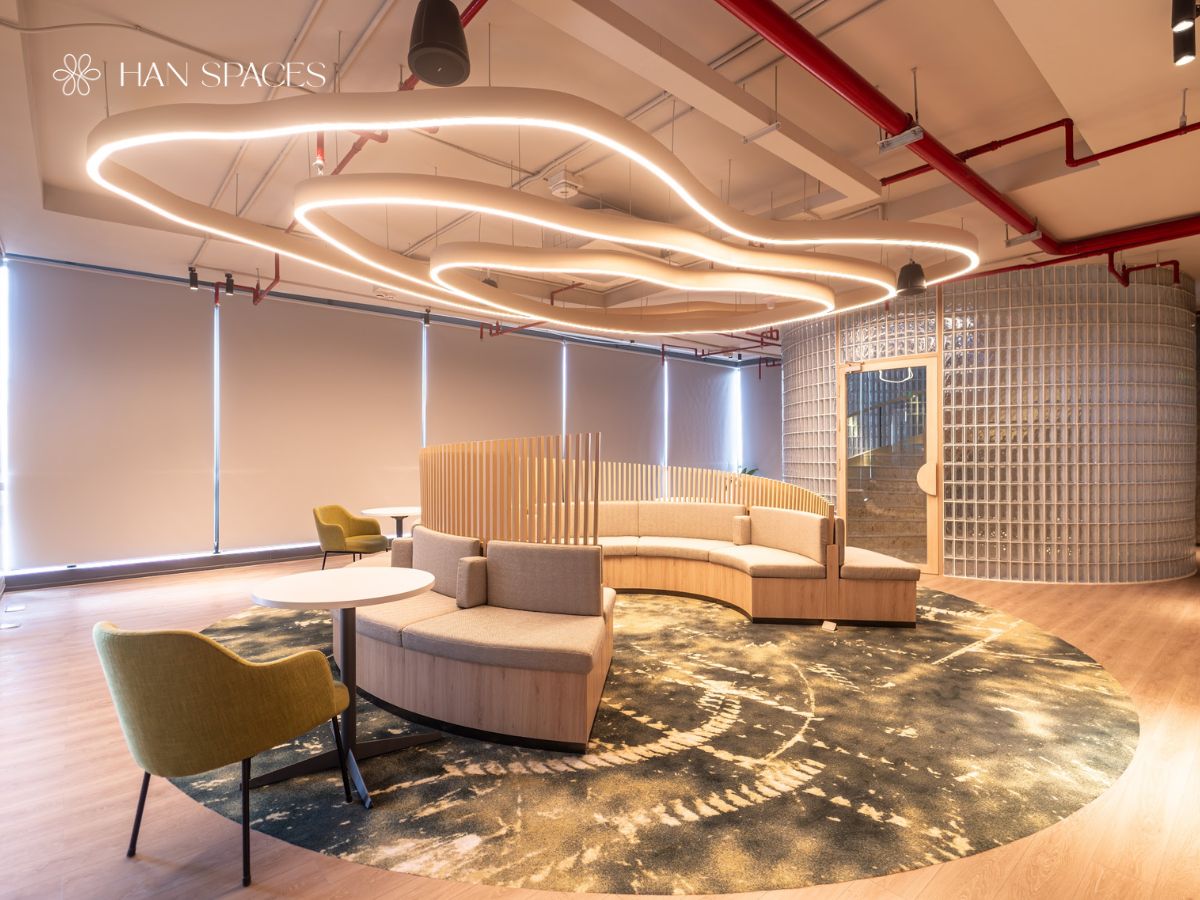
Chi phí thi công văn phòng mới nhất,...
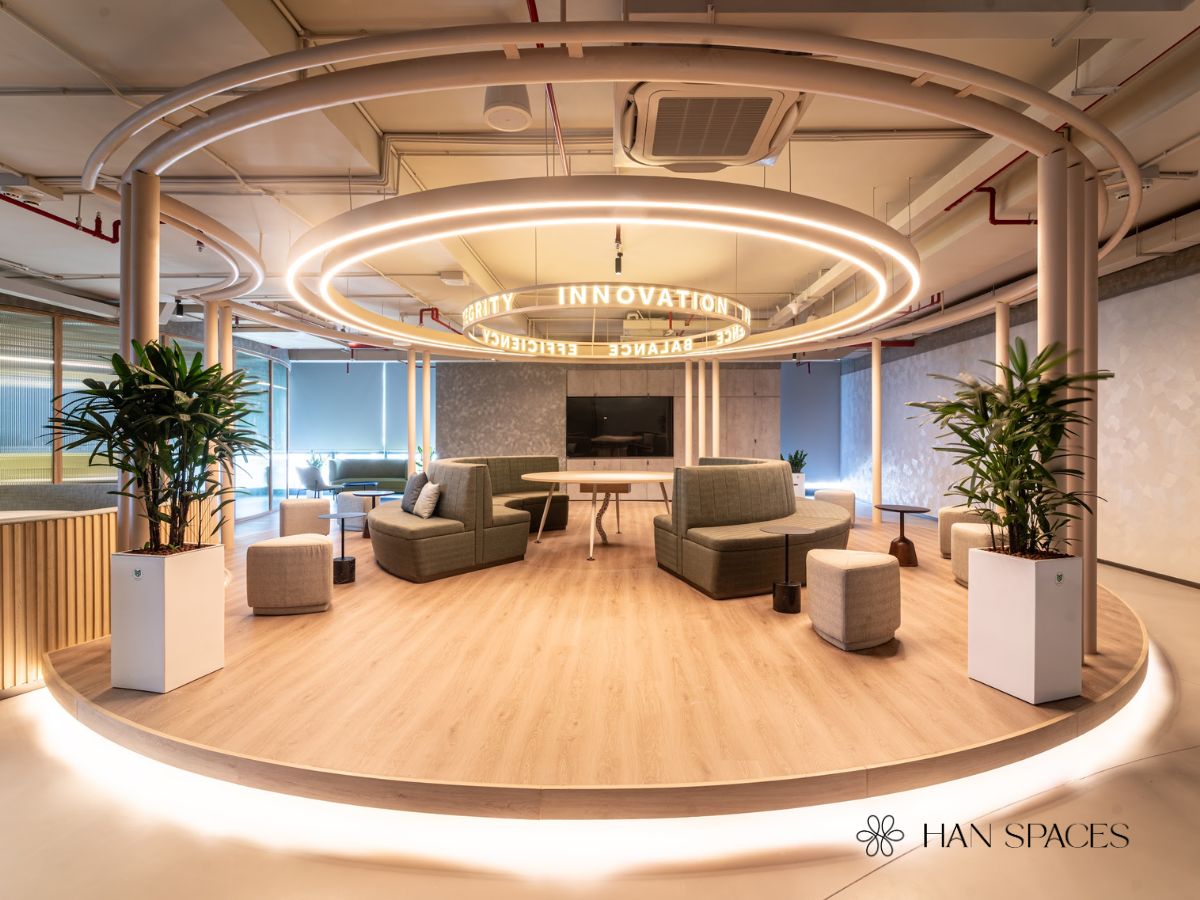
Thi công văn phòng trọn gói cao cấp,...
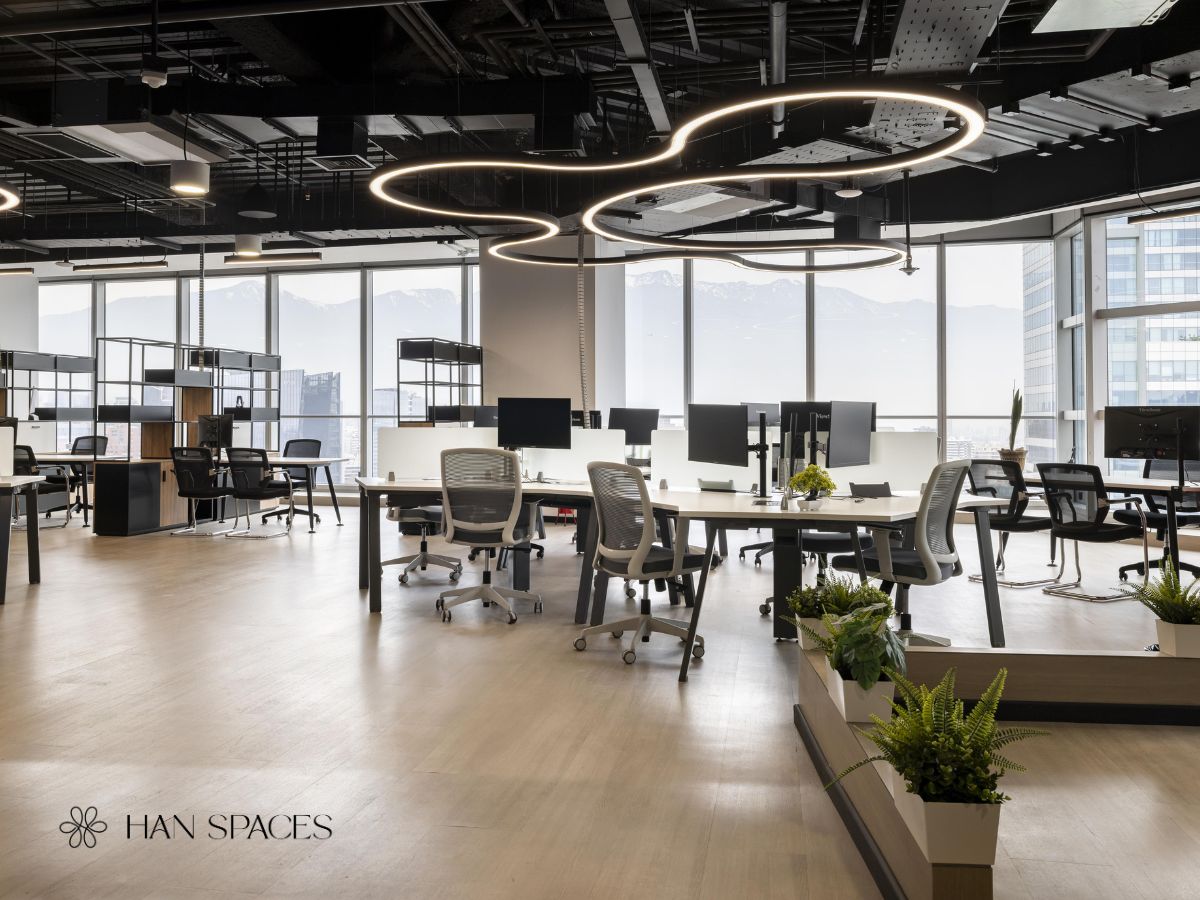
Tìm hiểu top 15 mẫu văn phòng công...